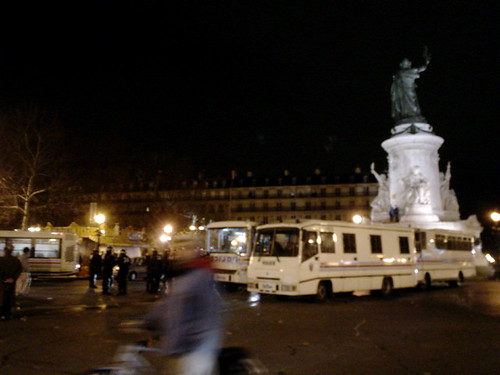
France experienced a turbulent weekend as nationwide demonstrations spiraled into chaos, leaving a trail of arrests, injuries, and property damage. Authorities reported around 2,000 people detained and 600 police officers injured during the clashes, while roughly 1,500 businesses suffered damage.
The unrest didn’t appear out of nowhere. Just days earlier, at least 24 schools across the country were set on fire, vandalized, or looted, signaling deep frustration that had been building among students and educators. What began as discontent within France’s education system quickly grew into something much larger, echoing the kind of grassroots anger that fueled the Yellow Vest movement—the grassroots protests that began in 2018 over fuel taxes and cost-of-living concerns, eventually becoming a broader symbol of economic discontent in France.
Now, that same frustration seems to be resurfacing, this time tied to anxieties over the future of France’s welfare state, long considered one of the most generous in Europe. Rising costs, pressure on public services, and fears of austerity measures appear to be reigniting tensions that have simmered for years.
The scenes of unrest—marked by street clashes and a heavy police response—highlight just how fragile the balance has become between citizens demanding protection and a government grappling with fiscal pressures.
To understand the full scope of these protests and what they reveal about France’s social and political climate, we invite you to read the original report from El Tiempo.
 Source: Protestas en Francia: del malestar en colegios a la crisis del Estado de bienestar, ¿qué está pasando? (eltiempo.com).
Image: celesteh, BY 2.0 (via Openverse).