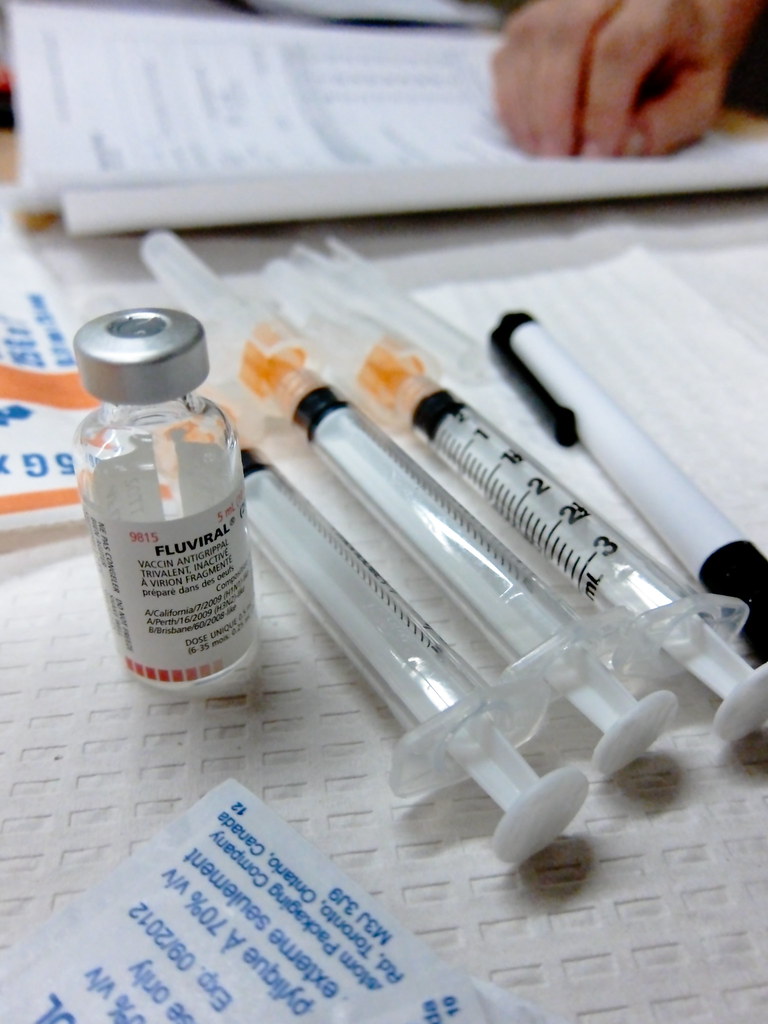
A promising vaccine aimed at fighting melanoma, the most dangerous form of skin cancer, is giving doctors and patients fresh reason for optimism. Unlike traditional vaccines that prevent disease before it starts, these experimental shots are designed to be used after a diagnosis, training the immune system to recognize and attack cancer cells that remain in the body following surgery or other treatment.
Encouraged by early results in melanoma, researchers are now broadening their efforts to some of the toughest cancers to treat. Scientists are testing similar vaccine strategies against glioblastoma, an aggressive and often fatal brain tumor, as well as pancreatic cancer, which is notoriously difficult to detect early and treat effectively. The underlying idea in all these cases is the same: harness a patient’s own immune defenses to hunt down cancer cells with precision, potentially reducing the risk of recurrence while sparing healthy tissue from the harsher side effects associated with chemotherapy.
While these therapies are still being studied and are not yet widely available, their development marks a notable shift in oncology, moving from one-size-fits-all treatments toward more personalized, immune-based approaches tailored to each patient’s specific cancer.
To learn more about how these vaccines work and what the research means for patients, read the full report from The New York Times.
Source: Melanoma Vaccine Ushers in New Hope for Cancer Patients (rss.nytimes.com).
Image: Daniel Paquet, BY 2.0 (via Openverse).