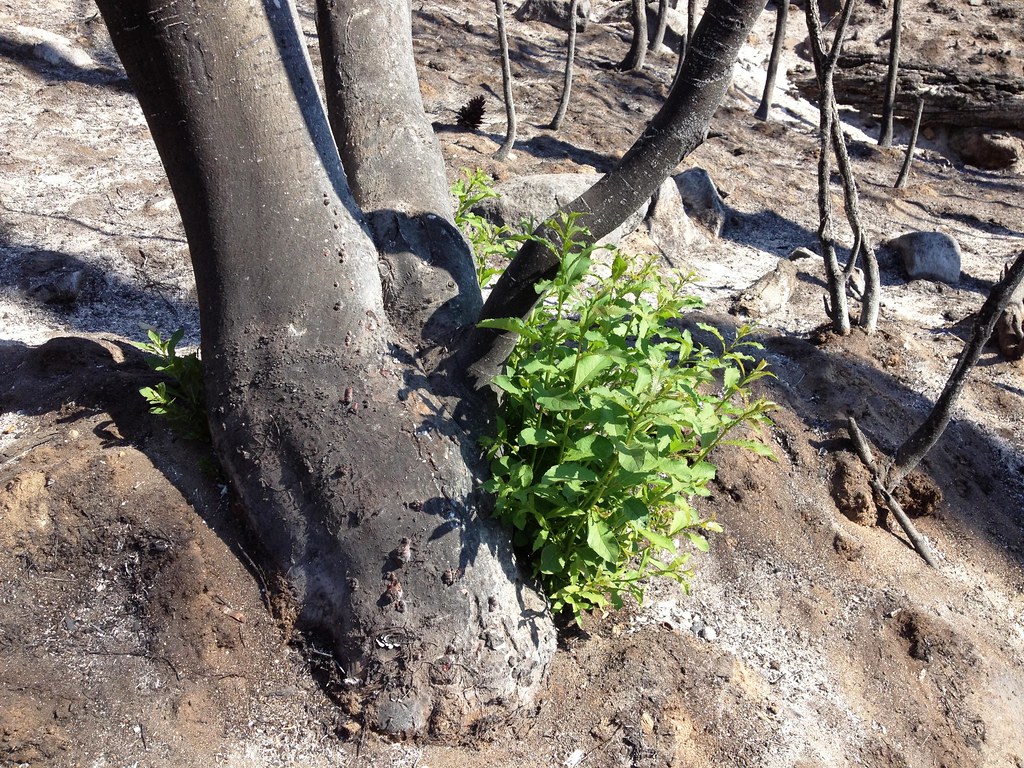
Colombia is in the grip of a “high severity” El Niño weather pattern that has fueled a wave of destructive wildfires across the country. But according to the Humboldt Institute, a leading biodiversity research body, the real danger doesn’t end once firefighters put out the flames.
Researchers warn that burning vegetation strips the land of its natural cover and damages the soil’s structure, weakening its ability to absorb and retain water. When the rainy season finally arrives after months of drought, that degraded soil can no longer hold up, setting the stage for erosion, landslides, and flash floods.
The current fire season is already among the worst Colombia has seen in years. Government emergency officials report 21 active wildfires burning across five departments (the country’s main administrative regions), with roughly 30,000 hectares (about 74,000 acres) scorched in Tolima alone.
Yet the Humboldt Institute cautions that counting burned acreage or active fire fronts tells only part of the story. The deeper, longer-lasting damage occurs underground and in watersheds, changing how rainfall moves through the landscape and reaches rivers long after the smoke has cleared.
Experts are urging authorities to plan for this second, slower-moving emergency, not just the immediate blazes. To dive deeper into how Colombia’s fire season could reshape its ecosystems for months to come, read the full report from El Tiempo.
Image: USDAgov, BY 2.0 (via Openverse).