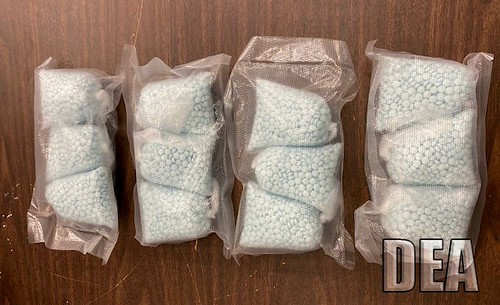
A congressional panel in Washington is turning a critical eye on the very agency tasked with fighting drug trafficking. The House Oversight Committee has opened an investigation into the Drug Enforcement Administration (DEA) over a contentious law-enforcement strategy that, according to lawmakers, allowed “staggering amounts” of fentanyl—a synthetic opioid far more potent than heroin—to reach the streets.
The tactic in question appears to involve federal agents permitting shipments of the drug to continue moving through supply chains, presumably to track bigger distribution networks or build cases against major traffickers. Critics argue the approach backfired, effectively enabling a public-health catastrophe rather than preventing one. Fentanyl has become the leading cause of overdose deaths in the United States, killing tens of thousands of people every year.
The controversy carries a pointed irony: Washington has long pressured Mexico and other Latin American countries, branding some as “narco-states” for their governments’ alleged ties to drug cartels. Now, with evidence suggesting American federal agencies may have facilitated the flow of a deadly narcotic into their own communities, that label is being turned back on the US itself.
The committee’s inquiry is ongoing, and further details about internal DEA decision-making are expected to emerge as investigators review agency records and testimony.
To read the full original report, visit La Jornada.
Image: Drug Enforcement Administration, PDM 1.0 (via Openverse).