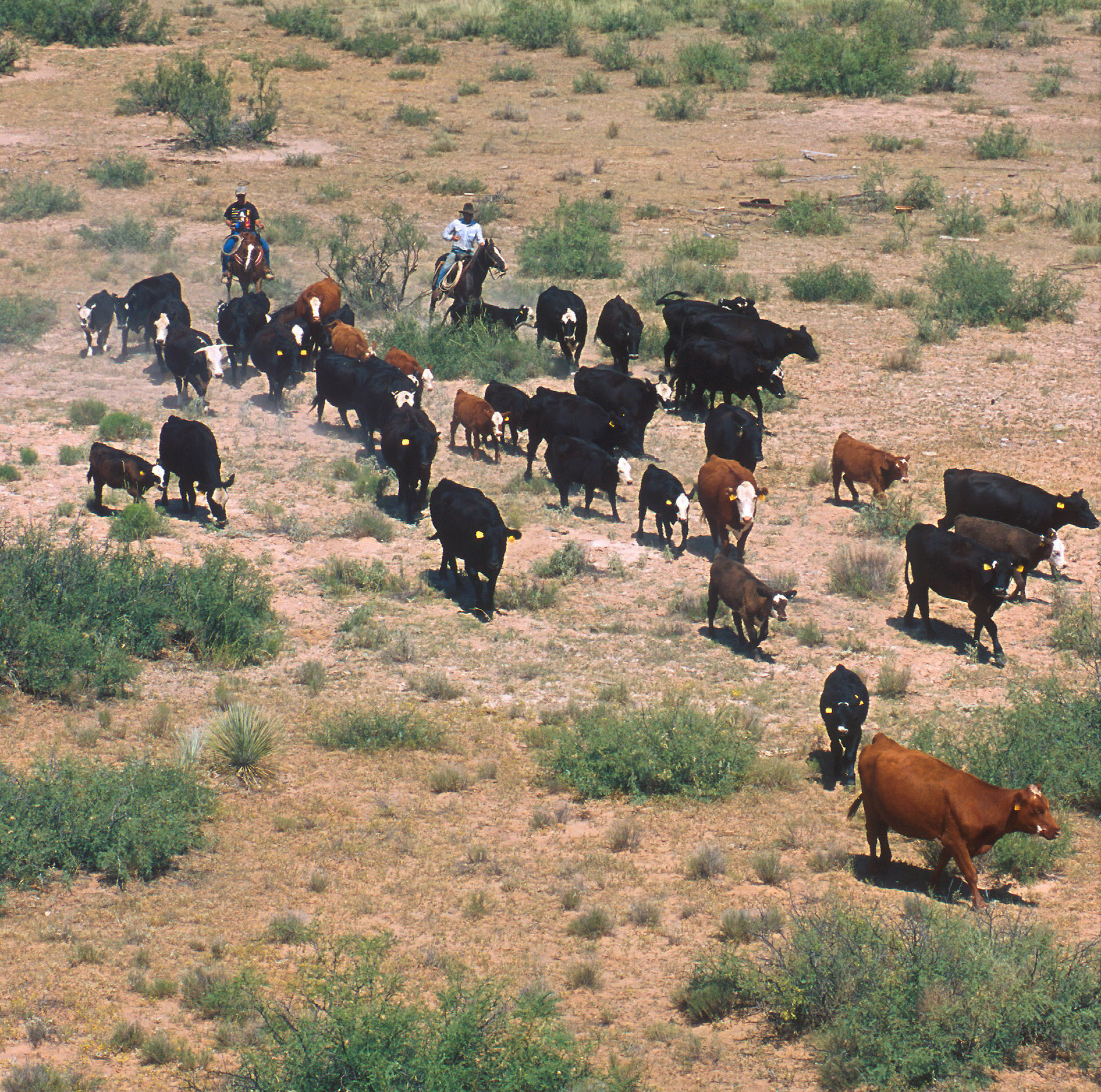
After a full year of restrictions, the United States has begun allowing cattle imports from Mexico again, at least partially, marking a cautious step forward in a public health and agricultural crisis that has gripped the region.
The shutdown was triggered by an outbreak of the New World screwworm, the larval stage of a fly whose maggots burrow into the living flesh of warm-blooded animals, including livestock and, in rare cases, humans. The parasite had been eliminated from North America decades ago through an aggressive sterile-insect program, but its resurgence in southern Mexico forced US officials to halt cattle crossings to prevent it from spreading northward.
While the partial reopening offers relief to ranchers and traders on both sides of the border who depend on the cattle trade, health and agricultural authorities caution that the underlying problem hasn’t been solved. Inside Mexico, teams are still working to contain the fly’s spread, using techniques such as releasing sterilized male flies to disrupt breeding and monitoring livestock for infections that can quickly turn fatal without treatment.
The episode highlights how a nearly eradicated pest can still pose serious economic and health risks when vigilance lapses. For a deeper look at the science and logistics behind Mexico’s fight against this parasite, read the full report from The New York Times.
Source: Inside the Fight Against a Flesh-Eating Fly in Mexico (rss.nytimes.com). English version produced with AI assistance.
Image: The original uploader was Ellmist at English Wikipedia.
Later versions were uploaded by Minesweeper at en.wikipedia..