In a pointed opinion piece for El Universal, columnist Héctor de Mauleón raises an uncomfortable question about Mexican politics: what happens to the person who speaks up against organized crime when the political winds shift?
The column centers on an individual who, back in 2021, publicly denounced the Sinaloa Cartel’s alleged interference in that year’s elections—a serious accusation in a country where cartel influence over local and regional races has long been an open secret, but rarely confirmed on the record by insiders. Coming forward with such claims carries real risk in Mexico, where speaking against powerful criminal organizations can invite retaliation, and where political and judicial protection for whistleblowers is often inconsistent.
De Mauleón suggests that this person, having taken the exceptional step of going public when few others dared, may now be facing abandonment—left to deal with the fallout alone, without the backing of the political networks or institutions that might have benefited from the original denunciation.
The piece touches on a recurring pattern in Mexican public life: those who expose corruption or organized-crime infiltration in politics sometimes find themselves isolated once the news cycle moves on, raising questions about accountability and protection for whistleblowers.
For the full context and details behind this case, read the original column at El Universal.
Source: ¿Quieren abandonar a la única que denunció la intervención del Cártel de Sinaloa en 2021? (eluniversal.com.mx). English version produced with AI assistance.
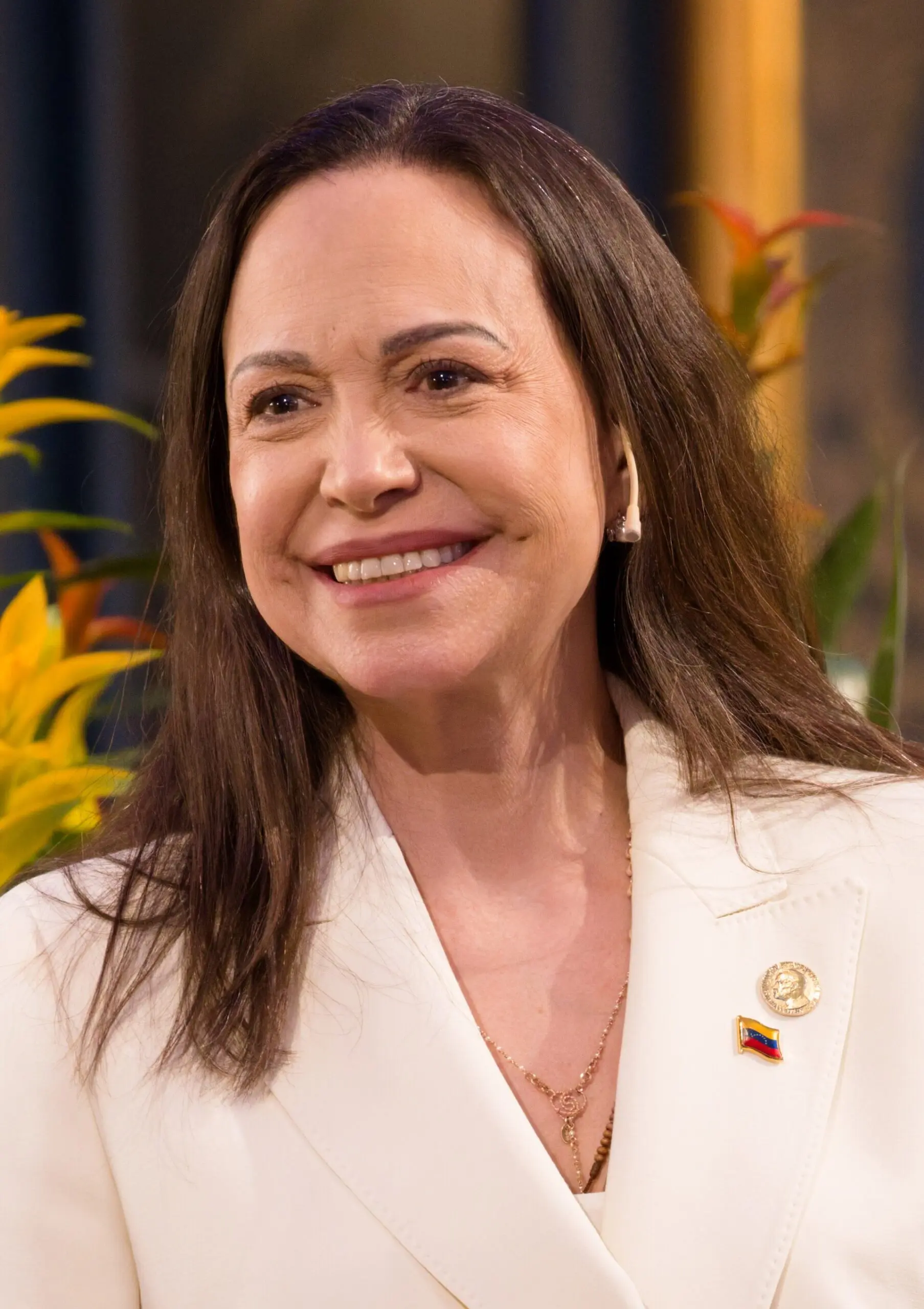
Image: Kevin Payravi.