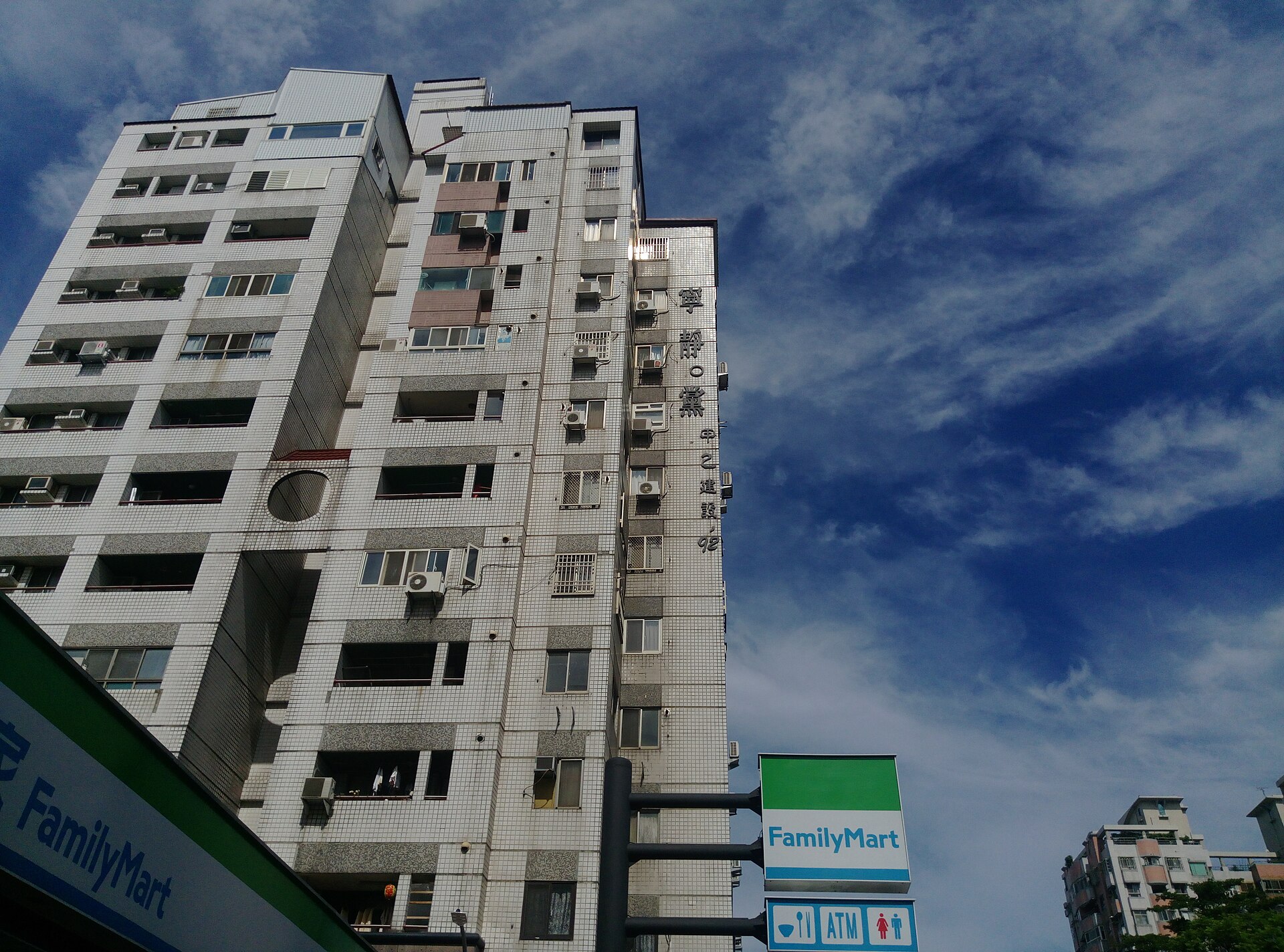
Mexico’s housing policies were built around an idea of the family that no longer matches reality, according to a recent opinion column by sociologist Gabriela Rodríguez published in La Jornada. She points out that government-backed housing programs, from public loan agencies to private developers, have long designed units for a standard household: two parents and their children living under one roof.
But census data and everyday life tell a different story. Single people living alone, elderly residents aging without a partner, single parents raising kids solo, and blended or multigenerational families are now common across Mexico, much as they are in many countries worldwide. Rodríguez argues that when housing supply doesn’t reflect this variety, it leaves many people poorly served, forced into homes that are either too large, too small, or too rigid for their needs.
The piece calls on policymakers and urban planners to rethink housing design and financing so that smaller units, shared living arrangements, and flexible spaces become real options rather than afterthoughts. Doing so, Rodríguez suggests, would not only ease pressure on the housing market but also make cities more inclusive of the households that actually exist today rather than an outdated ideal.
To read Gabriela Rodríguez’s full analysis, check out the original article on jornada.com.mx.
Source: La vivienda social y la nueva composición de hogares Gabriela Rodríguez (jornada.com.mx). English version produced with AI assistance.
Image: Dquai.