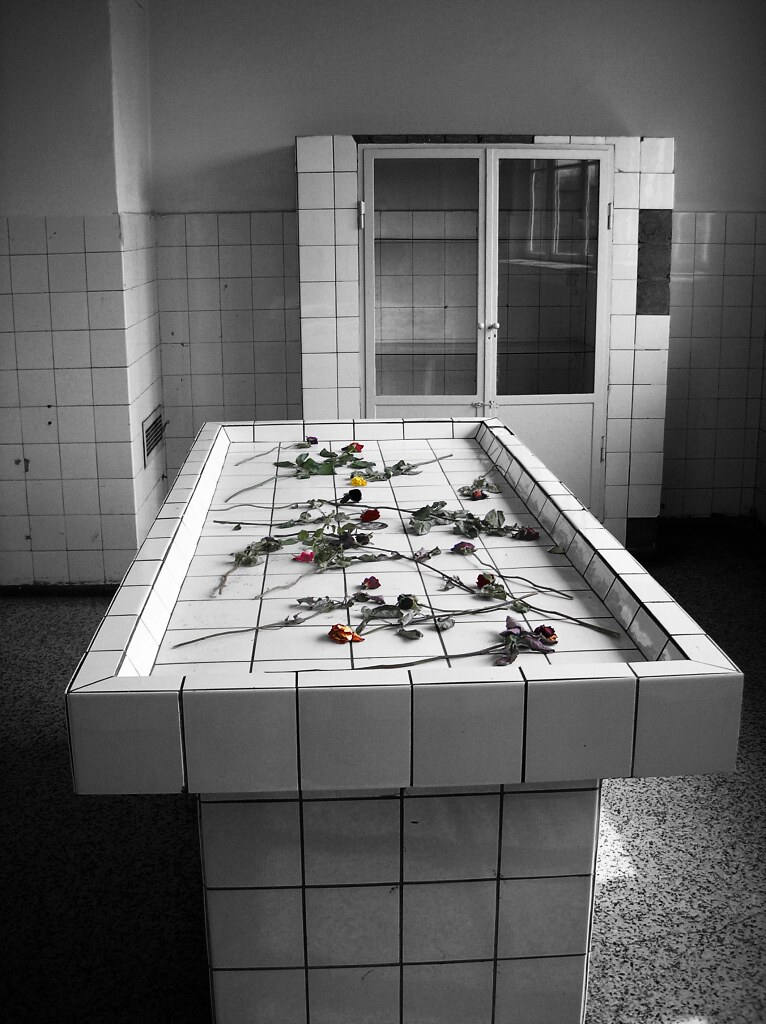
Mexico’s national statistics institute, INEGI, has revealed that nearly 11,000 bodies were still being held in Semefos facilities — the country’s forensic medical service offices, roughly equivalent to county morgues in the US — as 2025 drew to a close.
The figure points to a long-standing bottleneck in Mexico’s forensic system, where unidentified or unclaimed remains can languish for months or even years due to overwhelmed labs, limited DNA-testing capacity, and a persistent backlog tied to the country’s ongoing crisis of violence and disappearances.
Families across Mexico have repeatedly criticized authorities for the slow pace of identification, arguing that thousands of relatives remain in limbo, unable to confirm the fate of missing loved ones or give them a proper burial. Rights groups have long flagged Mexico’s fragmented forensic infrastructure — split across state and federal jurisdictions with uneven resources — as a key obstacle to closing these cases.
The new INEGI data adds an official statistical benchmark to a problem that human rights organizations and search collectives have documented anecdotally for years, reinforcing calls for greater investment in genetic databases, additional forensic personnel, and better coordination between local and national authorities.
For the full report and detailed figures, read the original article on jornada.com.mx.
Source: Casi 11 mil cadáveres almacenados en Semefos al cierre de 2025 (jornada.com.mx). English version produced with AI assistance.
Image: Aloriel, BY-SA 2.0 (via Openverse).