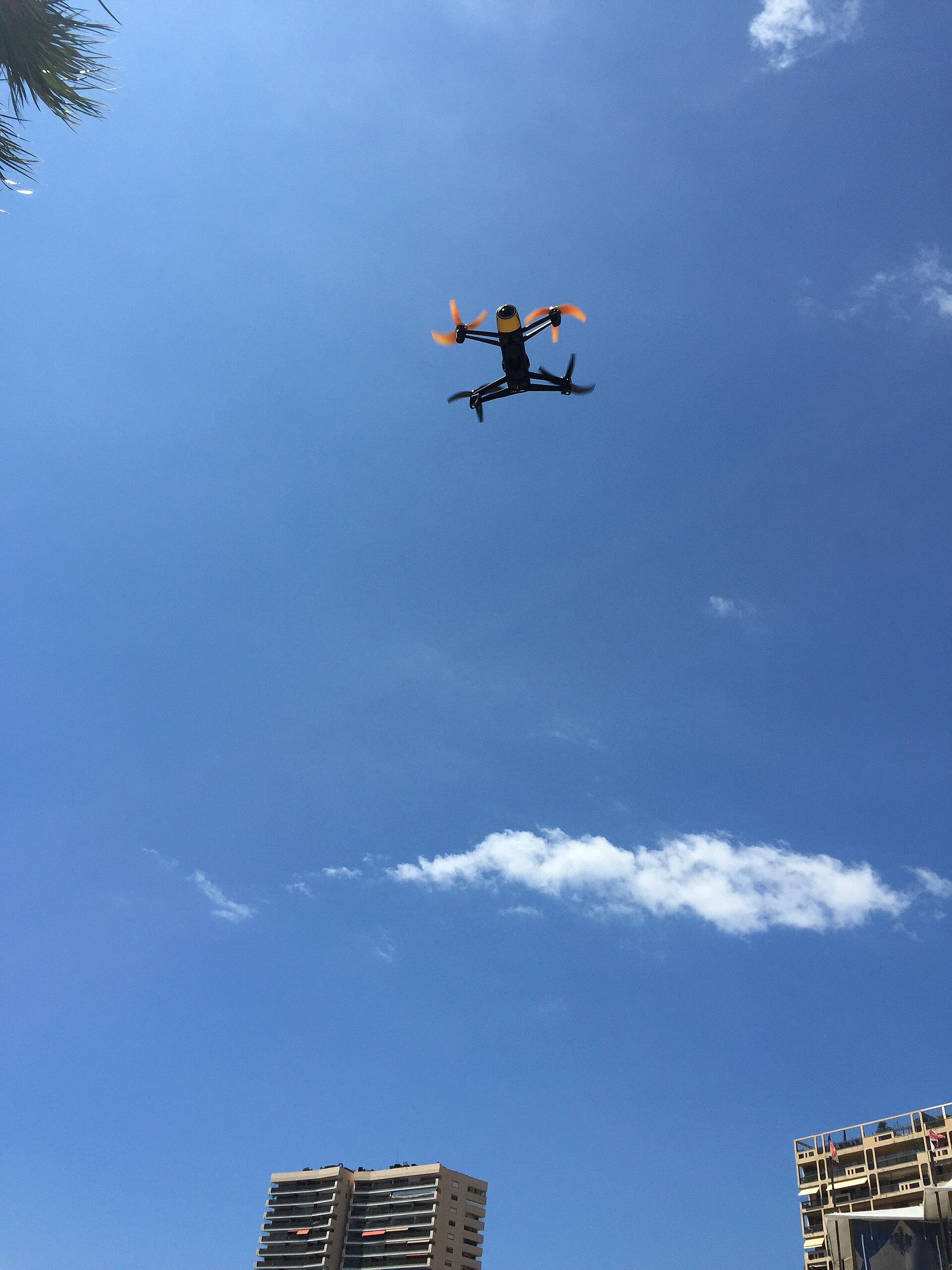
Unmanned aerial vehicles, better known as drones, have quietly become one of the standout technologies of the past decade. What began largely as a niche tool for hobbyists and military applications has evolved into a flexible platform capable of serving countless purposes across different sectors.
Their appeal lies precisely in that versatility. The same basic technology that lets a photographer capture sweeping aerial shots of a landscape can be adapted for agricultural monitoring, package delivery, search-and-rescue missions, or infrastructure inspection. This adaptability has made drones attractive not just to consumers, but to businesses and governments looking for efficient, cost-effective solutions to logistical and observational challenges.
As the underlying technology continues to mature, drones are expected to play an even bigger role in daily life going forward. Advances in battery life, navigation systems, and onboard sensors keep expanding what these devices can do, opening the door to new applications that were unimaginable just a few years ago.
The rapid pace of innovation in this field suggests that drones are far from reaching their full potential. As industries continue to find creative uses for them, unmanned aerial technology looks set to remain a defining feature of technological progress in the years ahead.
To explore this topic further, check out the original article on eltiempo.com.
Source: Drones: tecnología, innovación y futuro (eltiempo.com). English version produced with AI assistance.
Image: Nicolas Halftermeyer.