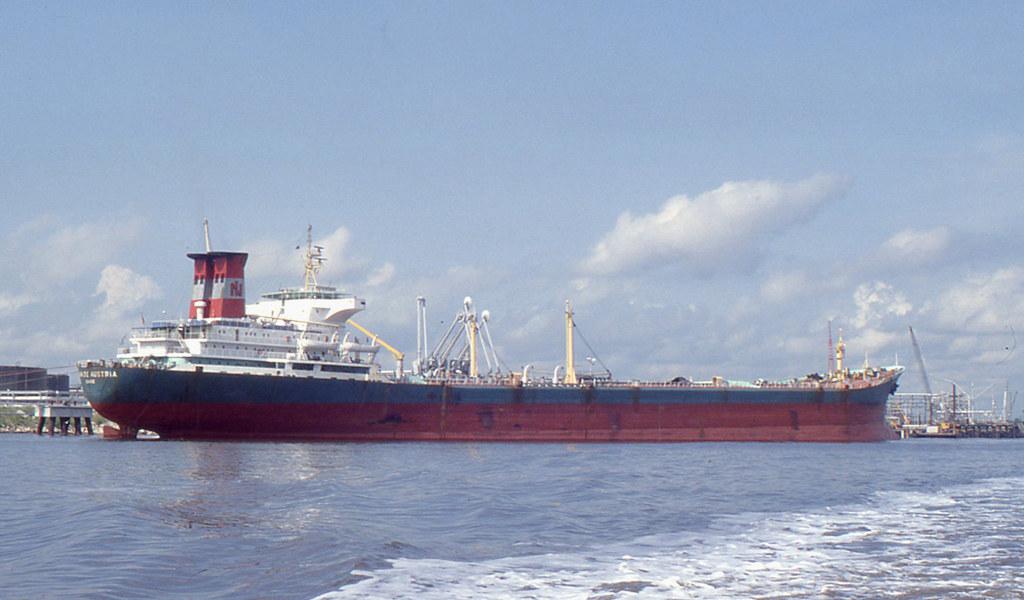
A new oil agreement between the United States and Venezuela is drawing scrutiny as more details emerge about how it would actually work. President Donald Trump has called it “the greatest oil deal in history,” arguing it will strengthen America’s energy security, lower gasoline prices, and help rebuild the country’s strategic petroleum reserves.
But as reporters and analysts dig into the fine print, the ambitious rhetoric is running into murkier realities. It’s still unclear exactly how much Venezuelan crude would realistically reach international markets given the country’s aging infrastructure and years of underinvestment in its oil sector, once among the largest in the world. Questions also remain about how much financial exposure the US government would take on to make the deal work, and whether American companies or taxpayers could end up shouldering unexpected costs.
Perhaps most significant is the political dimension. Venezuela remains under the control of Nicolás Maduro’s government, and any large-scale oil partnership with Washington could reshape the balance of power inside the country at a delicate moment. Vice President Delcy Rodríguez recently signaled that elections will eventually be held, though no date has been set, leaving open the question of how an oil windfall might influence — or complicate — Venezuela’s long-awaited democratic transition.
For a deeper look at the deal’s gray areas and what they could mean for Venezuela’s future, read the full report from El Tiempo.
Source: Las zonas grises del acuerdo petrolero entre Trump y el chavismo: ¿qué revela sobre el futuro de Venezuela? (eltiempo.com). English version produced with AI assistance.
Image: roger4336, BY-SA 2.0 (via Openverse).