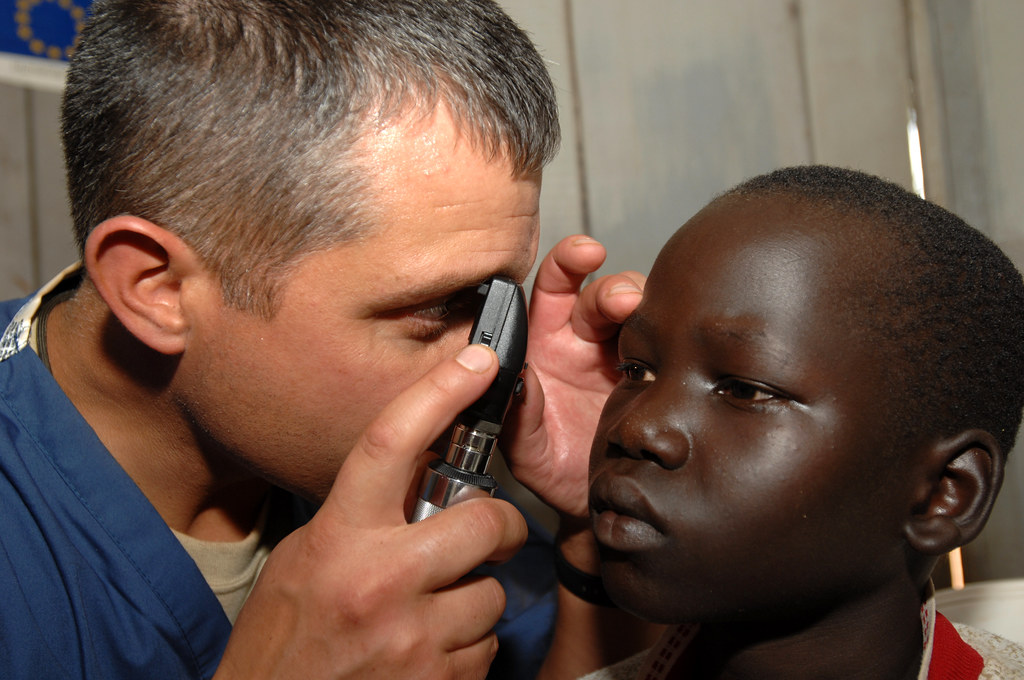
A recent item in the Mexican newspaper El Universal’s political column “Bajo Reserva” sheds light on the harsh realities facing physicians stationed in some of Mexico’s most isolated communities. The piece, provocatively titled “Doctors, Dying of Diarrhea or Hunger,” points to a troubling pattern: medical professionals sent to rural or marginalized areas as part of government health programs often find themselves without adequate resources to do their jobs—or even to care for themselves.
These postings, frequently mandatory for young doctors completing their required social service year in Mexico, can place them in communities lacking clean water, reliable food supplies, or basic medical equipment. The column suggests that instead of being properly supported by public health authorities, these doctors are left to fend for themselves, facing health risks from the very conditions they’ve been sent to help improve.
The item underscores a broader concern raised repeatedly by medical associations and observers: that Mexico’s public health system continues to strain under insufficient funding and poor logistical planning, leaving both patients and providers vulnerable in remote areas. While the column format doesn’t allow for extensive detail, it raises pointed questions about accountability within the health ministry and the conditions under which the country’s newest doctors are expected to serve.
For the full context and additional details, you can read the original column in Spanish at El Universal.
Source: Médicos, morir de diarrea o de hambre (eluniversal.com.mx). English version produced with AI assistance.
Image: US Army Africa, BY 2.0 (via Openverse).