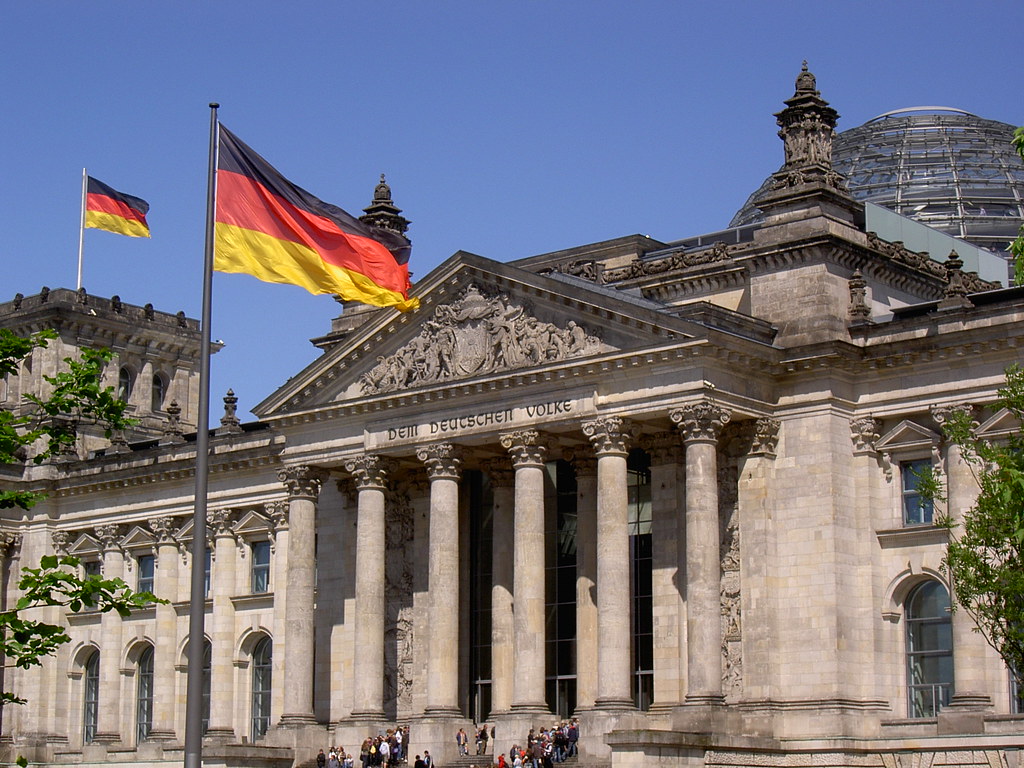
A recent opinion column looks at the rise of far-right politics in Germany, a trend that has unsettled many observers both inside the country and abroad. Once considered a fringe movement kept firmly at bay by Germany’s post-World War II political consensus, nationalist and anti-immigrant parties have steadily gained ground in recent years, drawing support in regional and national elections.
The piece situates this shift within a broader European pattern, where economic anxiety, concerns over immigration, and distrust of mainstream parties have fueled the appeal of hardline movements. In Germany specifically, the far right’s growth carries particular historical weight, given the country’s deliberate efforts since 1945 to build strong democratic safeguards against extremism.
The author reflects on what this resurgence means for German democracy and for Europe more broadly, raising questions about how mainstream parties, civil society, and institutions should respond without inadvertently amplifying the far right’s message. The column suggests that Germany’s experience offers lessons—and warnings—for other democracies grappling with polarization and the appeal of populist, nationalist rhetoric.
For the full analysis and the author’s perspective on what lies ahead for German politics, read the original column.
Source: Alemania y la extrema derecha (eluniversal.com.mx). English version produced with AI assistance.
Image: rs-foto, BY 2.0 (via Openverse).