The September 11, 2001 attacks on the United States didn’t just alter American foreign policy—they rippled outward, reshaping security strategies across the globe. Few countries felt that shift as directly as Colombia, according to a report from Colombian newspaper El Tiempo.
In the years that followed the attacks, Washington’s global campaign against terrorism became intertwined with Colombia’s decades-long internal conflict against armed groups such as leftist guerrillas and paramilitary organizations. U.S. officials began framing some of these groups within the broader “war on terror,” which opened the door to expanded American security cooperation, funding, and military assistance for Bogotá’s efforts to combat them.
This partnership marked a turning point for Colombia’s security strategy, giving the country new tools and international backing in a conflict that had already spanned generations. The shift illustrates how a single, devastating morning in New York and Washington reverberated far beyond U.S. borders, influencing alliances and conflicts thousands of miles away.
Two decades later, the legacy of that day continues to shape how nations think about security cooperation, terrorism, and international partnerships—nowhere more clearly than in Colombia, where the fight against armed groups was never quite the same after 9/11.
To explore the full story of how the attacks changed both global politics and Colombia’s internal struggle, read the original report at El Tiempo.
Source: 11-S: cómo los atentados cambiaron el mundo y transformaron a Colombia (eltiempo.com). English version produced with AI assistance.
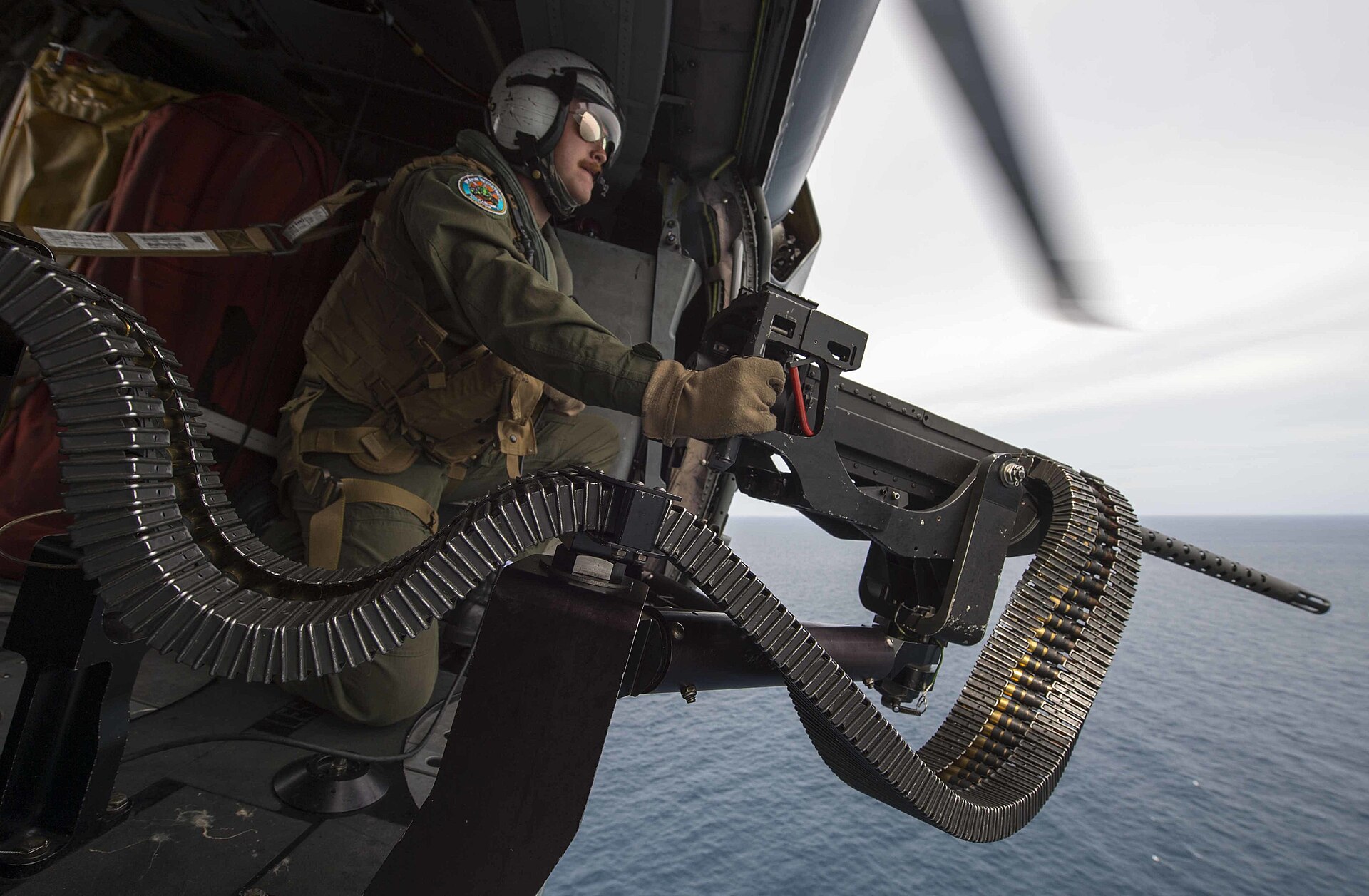
Image: Official U.S. Navy Page from United States of America
Petty Officer 3rd Class Deven Ellis/U.S. Navy.