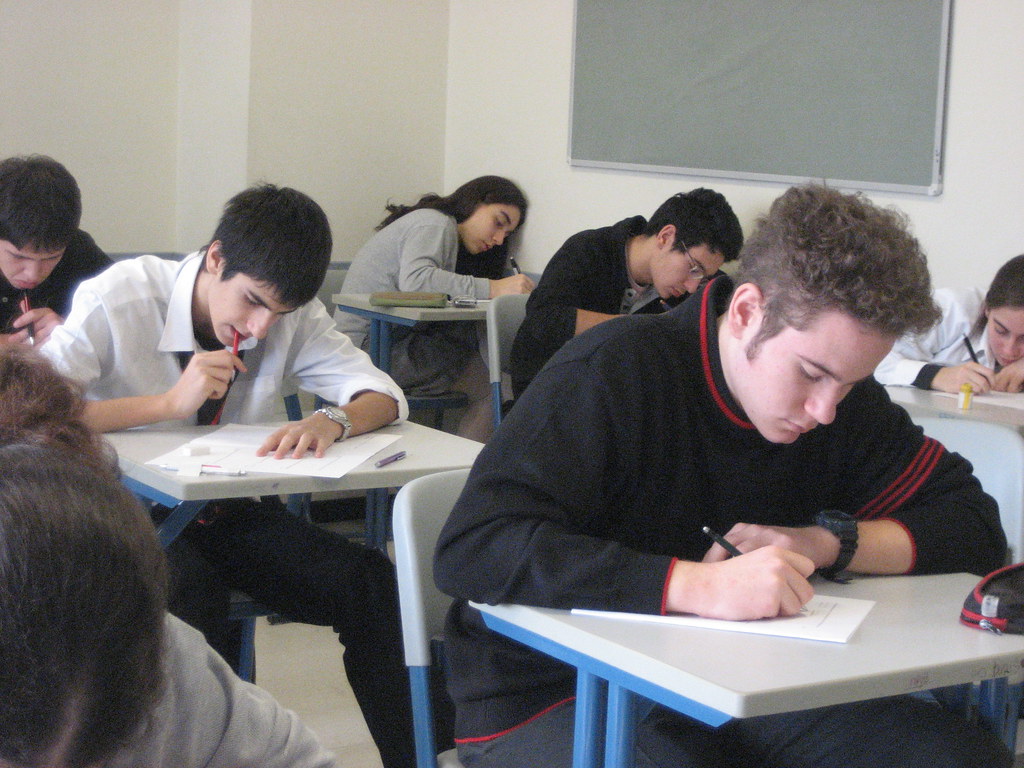
New PISA test results have reignited debate over the state of education in Colombia, and the numbers are grim. The Program for International Student Assessment, which measures the skills of 15-year-olds worldwide in math, science, and reading, found that 71 percent of Colombian students failed to reach the minimum proficiency level in math, while more than half fell short in science and reading. These figures place Colombia well below the average for member countries of the Organisation for Economic Co-operation and Development (OECD), a group of mostly wealthy nations that Colombia joined in 2020.
What makes the results especially troubling, experts say, is that they come despite years of rising government spending on education and despite the growing political influence of Fecode, Colombia’s largest teachers’ union, during the previous administration. Felipe Barrera, an education policy specialist who has worked with the Colombian think tank Fedesarrollo, Harvard University, and now Vanderbilt University, describes the outcome as nothing short of a social and economic tragedy.
Barrera notes that declining student performance appears to be a global trend, not unique to Colombia, making it harder to pinpoint a single cause. Some researchers point to increased screen time and the growing use of artificial intelligence for schoolwork as possible factors. Barrera argues that Colombia’s new government urgently needs a clear strategy to reverse the trend and improve outcomes for students.
To read the full interview, visit El Tiempo’s website.
Source: ‘Malos resultados de pruebas Pisa constituyen una tragedia económica y social’: Felipe Barrera / Entrevista Reina (eltiempo.com). English version produced with AI assistance.
Image: ccarlstead, BY 2.0 (via Openverse).