A recent opinion column published in El Universal turns a critical eye toward Mexico’s National Survey on Victimization and Perception of Public Safety, known by its Spanish acronym ENVIPE. This annual survey, conducted by Mexico’s national statistics agency INEGI, gathers data directly from households across the country to measure how safe—or unsafe—people actually feel in their daily lives, along with their firsthand experiences with crime.
The piece frames a pointed question at the heart of the debate: with insecurity remaining a persistent concern nationwide, who is genuinely responsible for safeguarding the public? The author suggests that survey results like these often reveal a troubling gap between official assurances of safety and the lived reality of everyday Mexicans, many of whom continue to alter their routines, avoid certain areas, or live with constant unease because of crime.
Rather than treating ENVIPE as just another government statistic, the column argues it should serve as a wake-up call for policymakers and law enforcement agencies at every level. It calls for a more honest reckoning with the data, one that moves beyond politically convenient narratives and instead confronts the everyday fears shaping how citizens navigate their communities.
To explore the full analysis and its implications for public policy in Mexico, read the original column.
Source: ENVIPE: México inseguro, ¿quién cuida a la ciudadanía? (eluniversal.com.mx). English version produced with AI assistance.
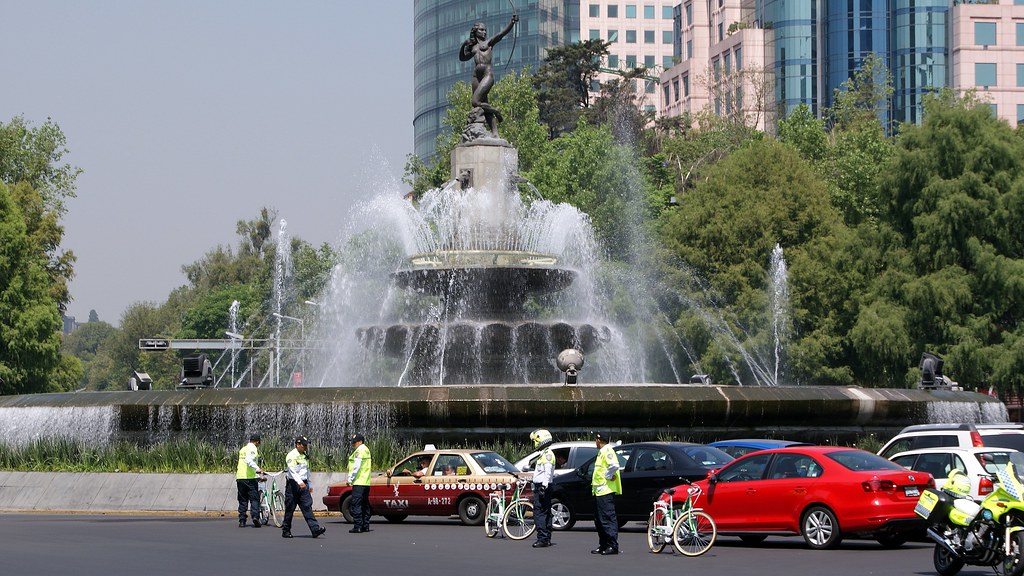
Image: Carl Campbell, BY-SA 2.0 (via Openverse).