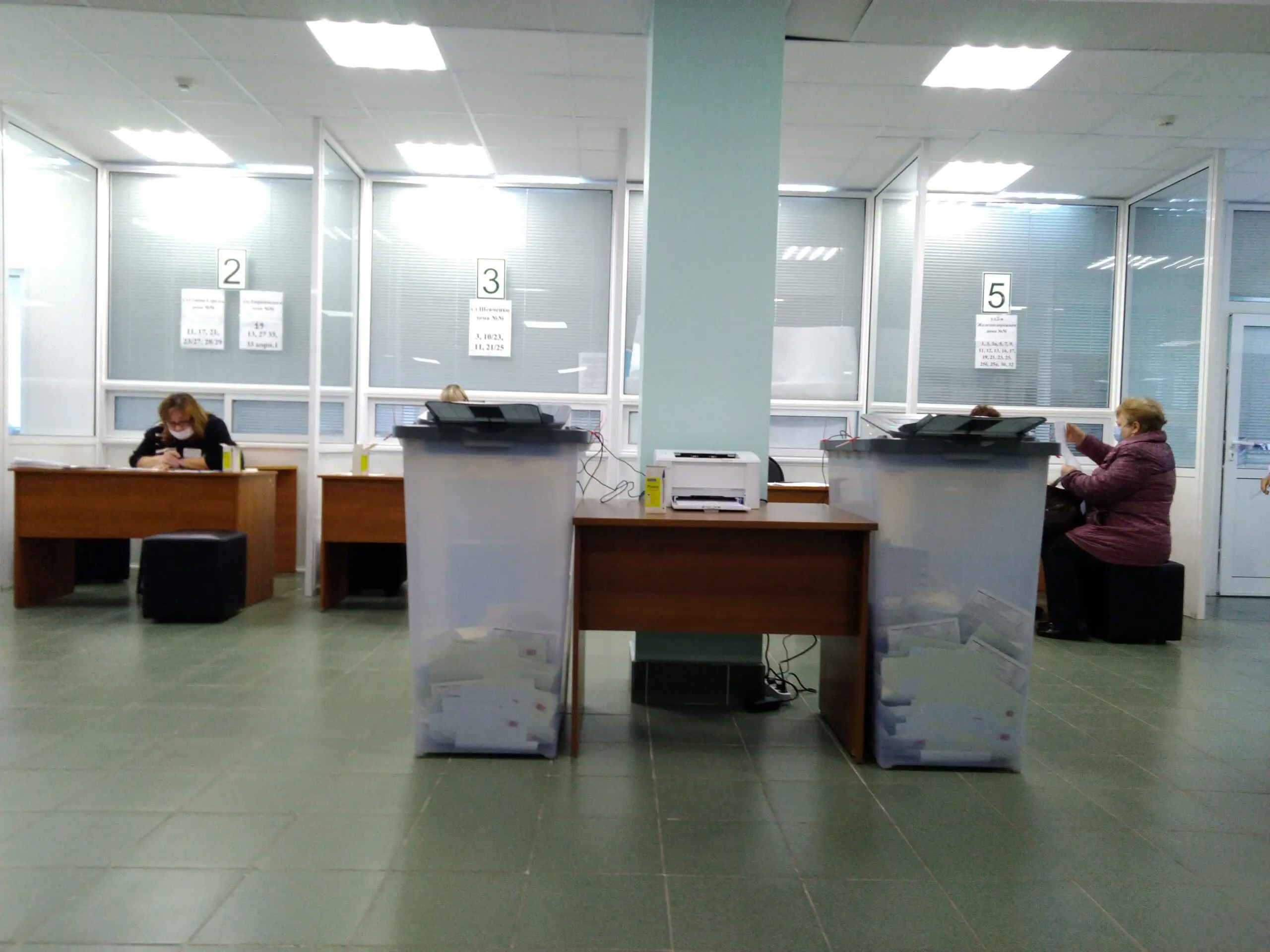
Russia goes to the polls this weekend in a parliamentary election that few expect to produce any real surprises. Analysts describe the country’s political system as a “managed democracy,” a setup in which the Kremlin largely controls the outcome in advance. The vote is expected to return another parliament, or Duma, dominated by the ruling United Russia party and packed with lawmakers loyal to President Vladimir Putin.
Even so, the election carries real significance for the Kremlin. It is the first parliamentary vote since Russia launched its full-scale invasion of Ukraine, and officials plan to use the results to argue that most Russians support both Putin and the war. Notably, nearly 200 military veterans returning from the fighting in Ukraine are running for seats, part of an effort to elevate soldiers into political roles.
The campaign itself has offered a rare glimpse into Russian society more than four years into the conflict, including some unexpectedly odd moments—like a televised debate where no candidates showed up, and another where a contender delivered his pitch by singing it. Behind the scenes, though, the message has been consistent: opposition parties in the outgoing parliament reportedly backed more than 170 laws supporting the war effort. One rare antiwar party, Yabloko, was disqualified from the ballot this summer after calling for a ceasefire, a move widely seen as reflecting Kremlin unease about antiwar sentiment among voters.
To read the BBC’s full report on the election and what it reveals about Russian politics today, follow the original story.
Source: Rosenberg: Russia's elections will have few surprises, but for the Kremlin they matter (feeds.bbci.co.uk). English version produced with AI assistance.
Image: Alexander Davronov, BY-SA 4.0 (via Openverse).