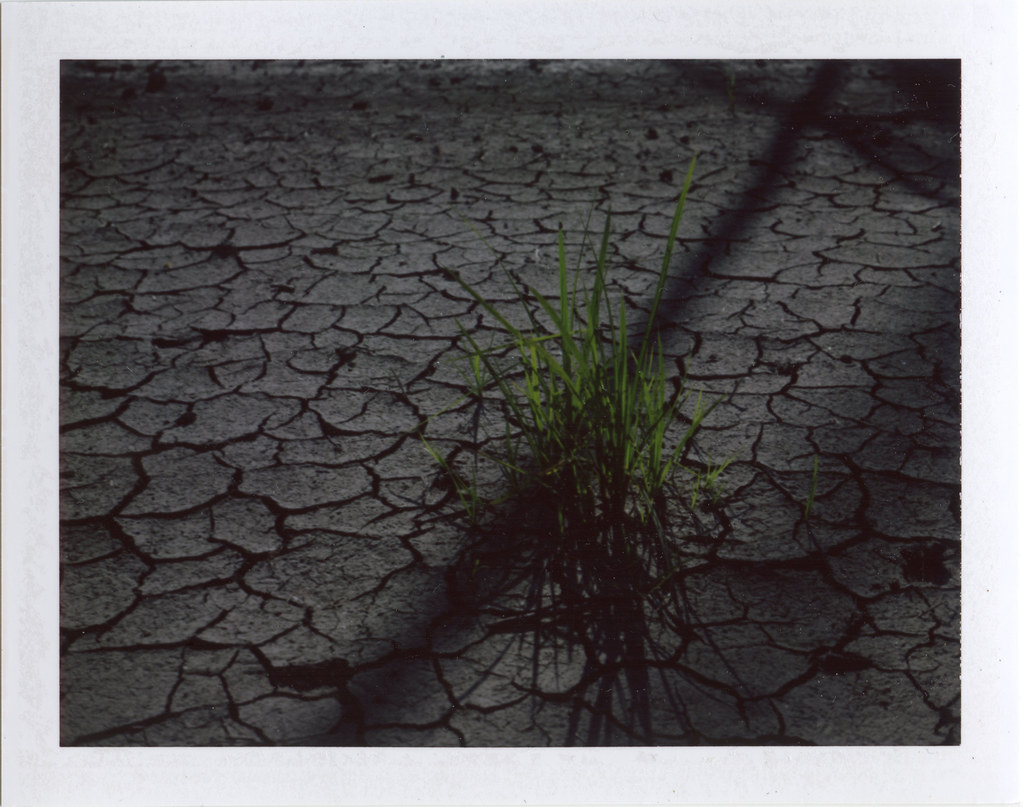
Colombians are bracing for another economic shock. Financial experts are warning that an intensifying drought tied to the El Niño weather pattern will not only strain the country’s water reserves but also fuel inflation that could squeeze low-income households especially hard.
According to José Ignacio López, president of the National Association of Financial Institutions (Anif), the driest and hottest phase of this climate cycle is expected toward the end of 2026, with effects lingering well into 2027. He estimates that roughly 19 percent of the basic household basket—the standard grouping of goods used to track cost-of-living changes—could be affected by the drought’s ripple effects.
The concern stems from a troubling overlap: many of Colombia’s key food-growing regions are also among the areas most vulnerable to extreme heat and water shortages. That overlap raises the risk of supply disruptions that could push grocery prices higher just as households are already stretched thin.
Because lower-income families spend a larger share of their budgets on food, they stand to feel the pinch more acutely than wealthier Colombians. Anif’s analysis suggests this dynamic will weigh heavily on the upcoming negotiations over the country’s 2027 minimum wage, a politically sensitive annual process that affects millions of workers.
To read the full report and additional details, check out the original article on El Tiempo’s website.
 Source: Fenómeno de El Niño golpeará especialmente a las familias más pobres e impactará el salario mínimo para 2027: ¿por qué? (eltiempo.com).
Image: benjaflynn, BY 2.0 (via Openverse).