For nearly 30 years, Mexican visual artist Betsabeé Romero has dedicated her work to honoring the people who cross borders out of necessity. Born in 1963, Romero holds a background in communications, a master’s degree in visual arts, and a doctorate in history—credentials that inform her deeply researched approach to migration as a subject.
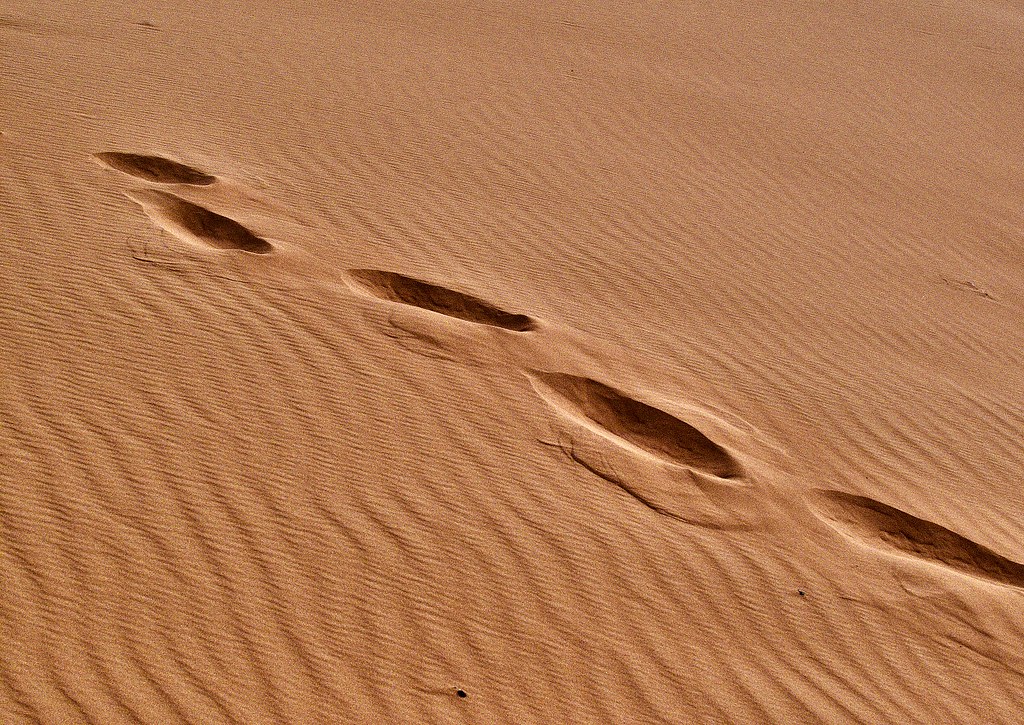
From her studio in Mexico City’s Álamos neighborhood, Romero explains that she is drawn to the physical evidence migrants leave behind, particularly their bare feet and footprints. She collects these traces and reworks them into engraved pieces, often adding poems, words, or pre-Hispanic glyphs—symbols used by Indigenous cultures in Mexico long before European contact. The result, she says, is a form of collective memory that captures both the fragility and resilience of those forced to move.
“Migration is a forced movement. Millions of people cross borders out of necessity,” Romero says. She points to the wounds and scars that never fully heal, and to how migrants’ lives have been devalued to the point that they are treated as bargaining chips in political conflicts. Her art, she insists, aims to restore dignity to these bodies while refusing to let their pain and suffering be forgotten or exploited as a political weapon.
Read the full interview at Excélsior to learn more about Romero’s process and vision.
Source: <![CDATA[Betsabeé Romero convierte las huellas migrantes en memoria colectiva]]> (RSS::excelsior.com.mx – Portada).
Image: zbigphotography (1M+ views), BY 2.0 (via Openverse).