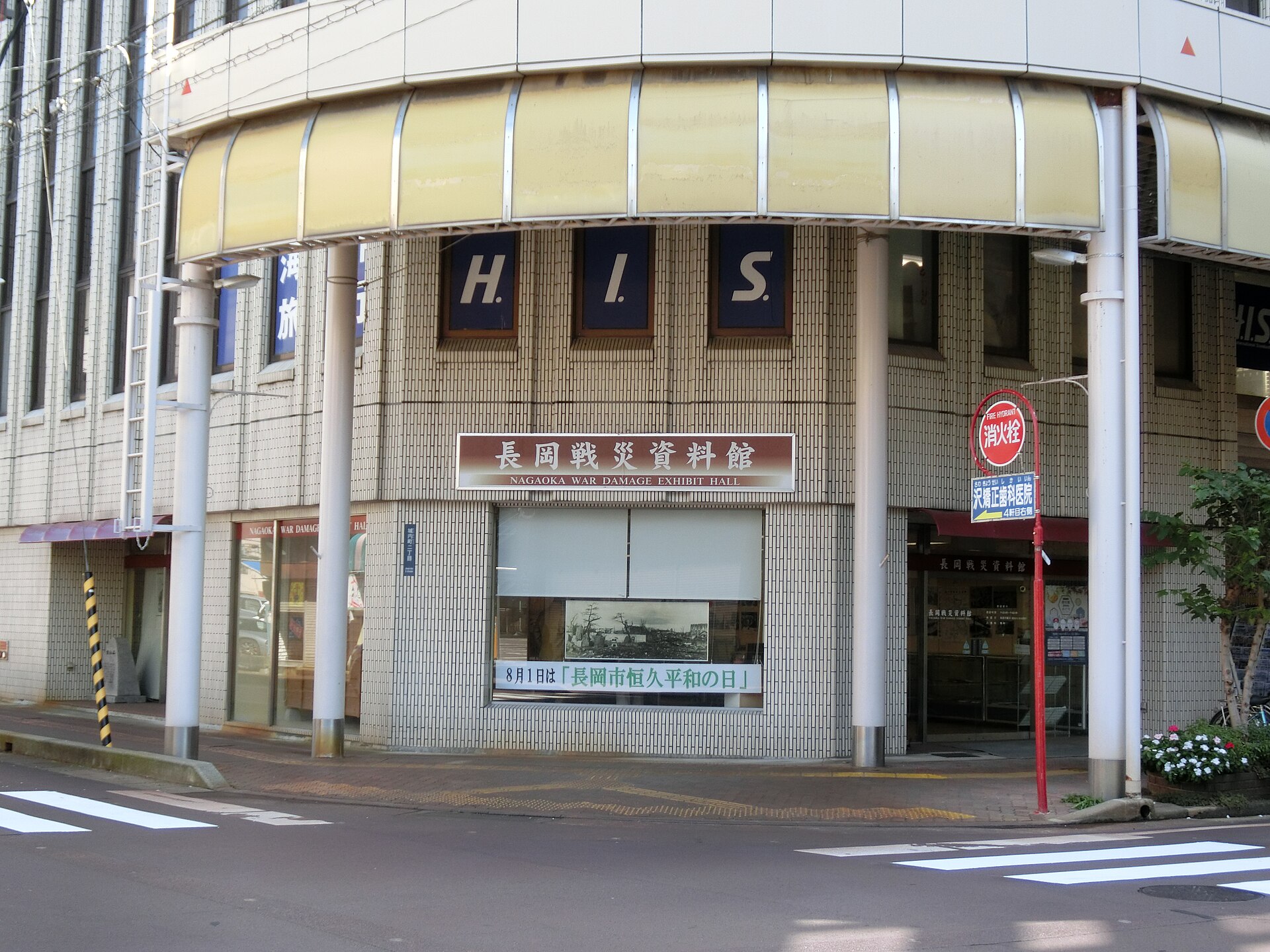
China has inaugurated a museum dedicated to preserving the memory of atrocities committed by Japanese forces during their occupation of Chinese territory in the first half of the 20th century. The move comes as the country continues to mark the anniversary of the end of World War II, a period China refers to as the War of Resistance Against Japanese Aggression, which lasted from 1931 to 1945.
For readers unfamiliar with the history, Japan invaded and occupied large parts of China beginning in the early 1930s, first seizing Manchuria in the northeast before launching a full-scale war in 1937. The conflict resulted in millions of civilian and military deaths and included notorious episodes such as the Nanjing Massacre, in which Japanese troops killed tens of thousands of residents of the city then known as Nanking.
The new museum joins a network of memorial sites across China that document this chapter of history, part of a broader government effort to ensure these events are not forgotten, especially as the generation who lived through the war grows smaller each year. Such institutions also play a role in shaping public sentiment toward Japan, a relationship that remains sensitive due to unresolved historical grievances.
To learn more about the museum and its significance, we invite you to read the full original report.
Image: Abasaa.