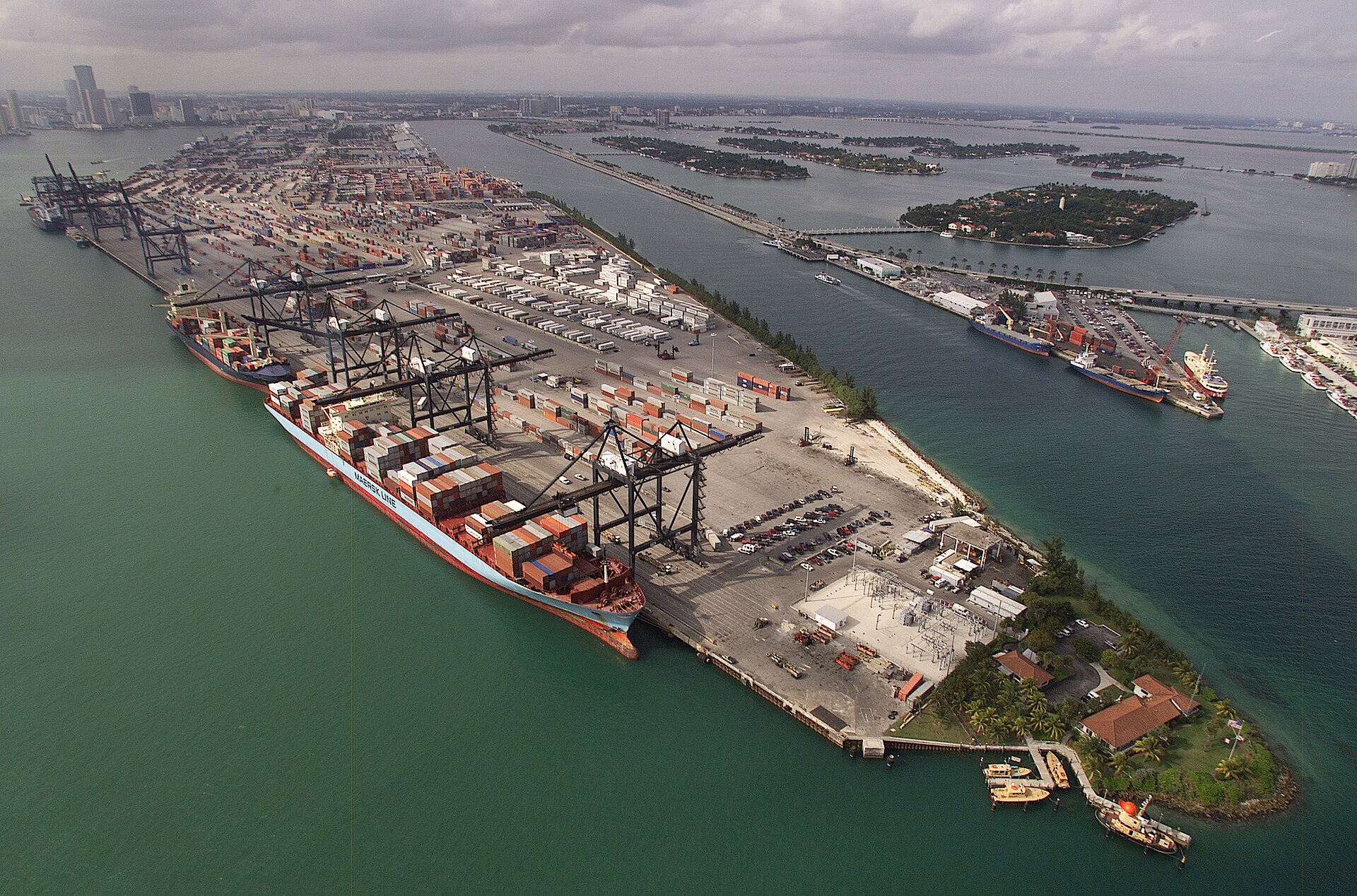
Last year, then-President Gustavo Petro signed a memorandum committing Colombia to join China’s Belt and Road Initiative—the global infrastructure and trade network Beijing has built with dozens of countries, often referred to in Spanish-language coverage as the “Ruta de la Seda,” or Silk Road route, evoking the ancient trade path between Asia and Europe.
But according to balance-of-payments data from Colombia’s central bank, the Banco de la República, that same year saw China do the opposite of investing. Instead of pouring money into the country, Chinese entities pulled out roughly $99.8 million (about 400 million Colombian pesos at current exchange rates) in net capital during 2025.
The apparent contradiction—diplomatic courtship on one hand, capital flight on the other—has fueled scrutiny over what conditions China may be quietly attaching to any future investment in Colombia, and what the country stands to lose if those investments never materialize. Colombian officials have touted the Belt and Road agreement as a pathway to Chinese-funded infrastructure, trade expansion, and technology transfer, but the actual financial flows tell a more cautious story.
The episode raises broader questions about whether symbolic diplomatic gestures translate into real economic commitments, and what leverage, if any, Colombia has to attract the investment it was promised.
To read the full story and see the underlying data, check out the original report at El Tiempo.
Source: China pone condiciones para invertir en Colombia; si no lo hace, ¿qué tanto se pierde? (eltiempo.com). English version produced with AI assistance.
Image: James R. Tourtellotte.