Colombia and the United States have signed a memorandum of understanding (MOU) on critical minerals, one of two cooperation agreements announced after US Secretary of State Marco Rubio met with President Abelardo De la Espriella in Barranquilla. The other memorandum covers civil nuclear energy. The signing capped a high-level meeting the two governments dubbed the “Dialogue for Bilateral Prosperity,” marking the first visit by a senior Trump administration official since De la Espriella took office on August 7.
An MOU is a non-binding framework signaling intent to cooperate rather than a legally enforceable contract. In this case, it opens the door to joint work on exploring, processing, and trading strategic minerals such as rare earth elements, lithium, copper, and tungsten—while each country retains full sovereignty over its resources. The document doesn’t grant mining rights or guarantee investment; any specific projects would still require approval from each country’s legislature.
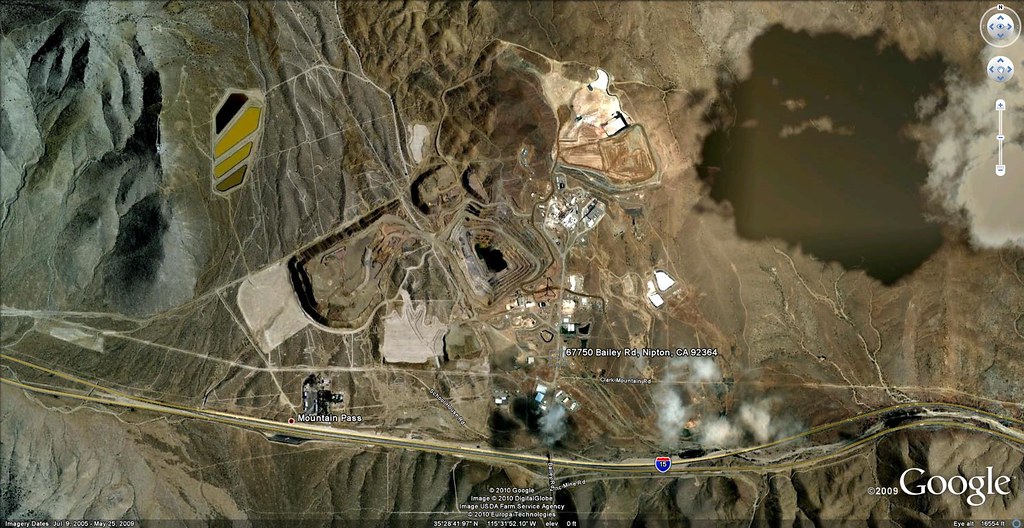
Washington’s interest stems from China’s dominance of these markets. According to the US Geological Survey, China produced about 80% of the world’s tungsten in 2025, and the International Energy Agency estimates it handles roughly 90% of rare-earth refining. Reducing this dependence has become a national security priority for the Trump administration, which has signed similar agreements with roughly 30 countries, including Argentina, Peru, Morocco, and the United Arab Emirates, though no complete public registry of these deals exists.
Want the full breakdown? Read the original report at El Tiempo.
Source: ¿De qué trata el memorando de entendimiento sobre minerales críticos que firmó Colombia y EE. UU.? (eltiempo.com). English version produced with AI assistance.
Image: born1945, BY 2.0 (via Openverse).