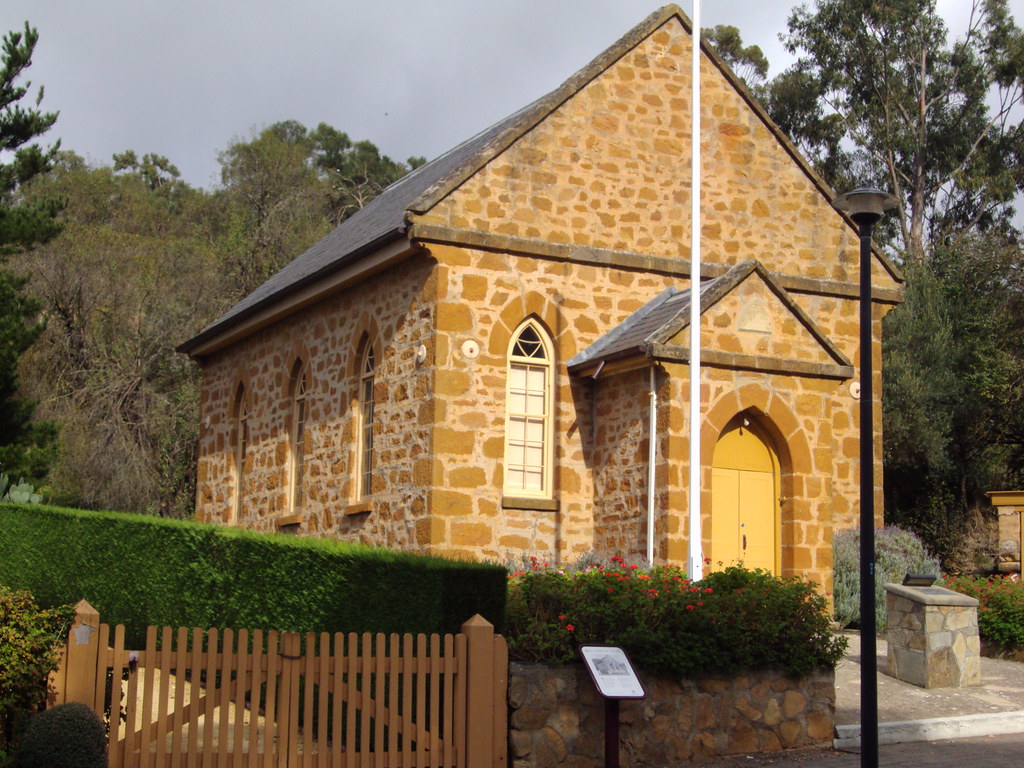
A beloved 100-year-old church in Montenegro, a small town in Colombia’s coffee-growing Quindío region (not to be confused with the European country of the same name), will have to be torn down after suffering severe structural damage in an earthquake that struck the area on August 10.
The San José parish, completed in 1924 after construction began around 1912, was built with wood, bahareque (a traditional wattle-and-daub technique), and some concrete—common methods for its era, but ones that never met modern earthquake-resistant building codes. Engineers and structural specialists who inspected the building found that its wooden framework had reached the end of its useful life and that several walls are at risk of collapse.
Monsignor Carlos Arturo Quintero, bishop of the Diocese of Armenia, called the decision painful, noting that the church has long been a cultural and religious landmark cherished by residents of the region. He said church leaders consulted multiple technical experts before concluding that full demolition was unavoidable. Officials say a new, lighter structure will be built in its place, designed to preserve the beauty and grandeur of the original while meeting current safety standards.
The church had survived a previous fire in the 1970s and the destructive 1999 earthquake that also struck Quindío. Read the full story at eltiempo.com.
Source: La iglesia principal de Montenegro que se construyó hace 100 años tendrá que ser demolida tras el terremoto (eltiempo.com). English version produced with AI assistance.
Image: denisbin, BY-SA 2.0 (via Openverse).