As artificial intelligence tools become more sophisticated, scientists and policymakers are grappling with a troubling question: could chatbots someday help someone create a biological weapon? According to a recent report, the answer right now is largely reassuring. Current AI systems, while capable of answering complex scientific questions, don’t appear to give a lone individual the specialized know-how needed to design and produce a dangerous pathogen from scratch. The technical hurdles—like acquiring lab equipment, handling hazardous materials safely, and executing intricate biological processes—remain far beyond what a chatbot’s text-based guidance can solve.
However, experts caution that this safety margin may not last. As AI companies develop more advanced models specifically trained on biological and biomedical data, these systems could start providing more precise, actionable guidance on pathogen engineering. That shift, researchers warn, could meaningfully change the risk calculus, especially as such tools become more accessible to non-experts.
The concern has prompted calls for AI developers to build in stronger safeguards before releasing biology-focused models widely, rather than waiting until misuse becomes evident. The debate underscores a broader tension in AI development: balancing the benefits of powerful scientific tools against the possibility that the same capabilities could be turned toward catastrophic harm.
For the full investigation and expert interviews, read the original article on The New York Times.
Source: Is A.I. Raising the Chances of Biological Warfare? (rss.nytimes.com). English version produced with AI assistance.
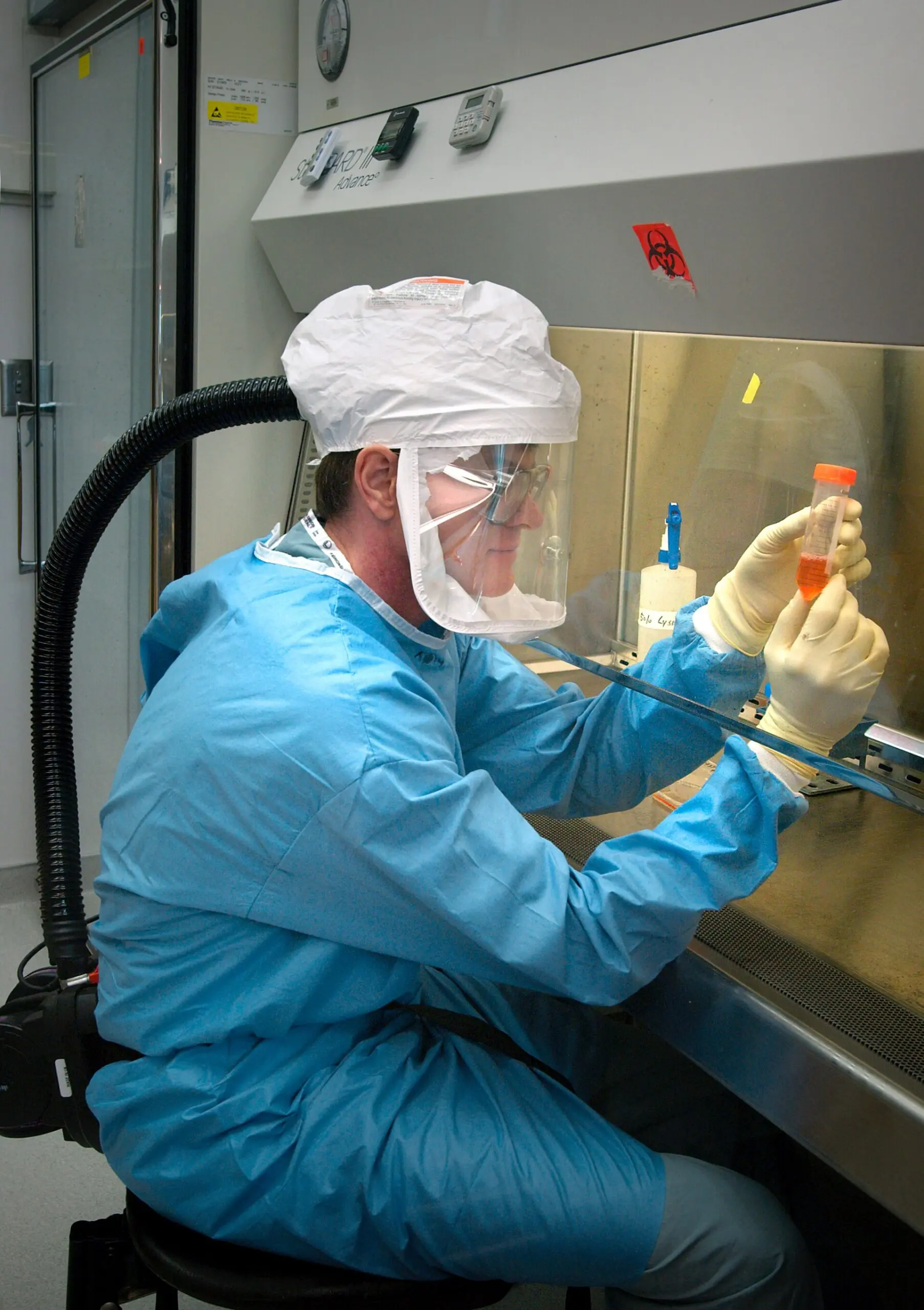
Image: Photo Credit: James Gathany
Content Providers(s): CDC.