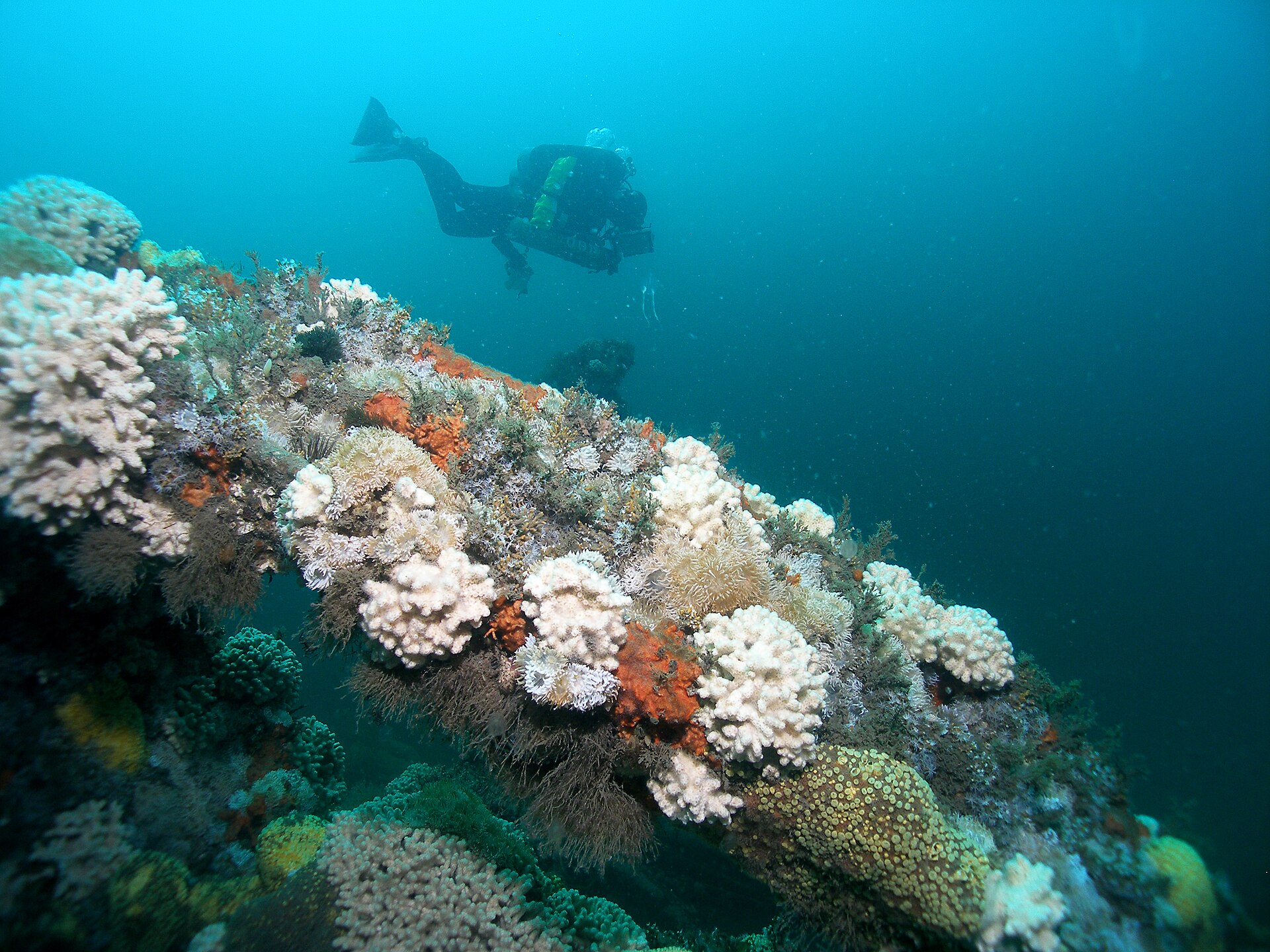
For marine archaeologist Sean Kingsley, the ocean floor tells a more honest story than any history book. In a recent feature, he takes readers beneath the waves of a cove long infamous as a pirate refuge, where the remains of sunken ships still rest undisturbed.
Kingsley’s work is part of a growing field of underwater archaeology that treats shipwrecks as time capsules. Unlike written accounts, which can be shaped by the biases or agendas of those who recorded them, a wreck preserves exactly what was aboard the moment it went down—cargo, tools, personal belongings, and sometimes even human remains. That, Kingsley suggests, makes the seabed an unusually trustworthy witness to the past.
Pirate coves like the one he’s exploring were once prized by outlaws precisely because their hidden, hard-to-navigate waters offered shelter from pursuing authorities. Centuries later, those same treacherous waters have become graveyards for ships that never made it out, leaving behind a scattered record of maritime life, trade routes, and the risks sailors faced.
By combining diving expertise with historical detective work, Kingsley hopes to piece together a fuller picture of the cove’s outlaw past—one wreck at a time. To learn more about his findings and the stories these sunken ships reveal, read the full article on The New York Times.
Source: Plumbing the Shipwrecks of an Infamous Pirate Cove (rss.nytimes.com). English version produced with AI assistance.
Image: National Marine Sanctuaries.