The El Niño climate pattern, which typically brings drier conditions to parts of Colombia, is now firmly established in the country’s central region, and it’s already straining local water systems. Alfredo Ballesteros, director of the CAR—the regional environmental authority overseeing Cundinamarca, the department surrounding Bogotá—confirmed that while other parts of Colombia began feeling El Niño’s effects about a month ago, the phenomenon only took hold in central Colombia during August.
The impact is already visible: 12 municipalities in Cundinamarca are struggling to guarantee a steady water supply, and the town of Facatativá has moved into full rationing. A related report warns that Facatativá has only about 15 days of water reserves left if conditions don’t improve.
For now, Bogotá and the surrounding municipalities that receive water through the capital’s shared network or the Bogotá Water Utility (Acueducto de Bogotá) remain unaffected and officials say there’s no immediate cause for alarm. Still, authorities are watching January and February closely, since a prolonged dry spell could eventually put pressure on the capital’s own reserves and force tougher measures.
Want the full details on which towns are affected and what officials are doing to respond? Check out the original article on El Tiempo’s website.
Source: ¿Qué tan lejos está Bogotá de volver a racionamientos de agua?; en Cundinamarca hay 12 poblaciones con restricción (eltiempo.com). English version produced with AI assistance.
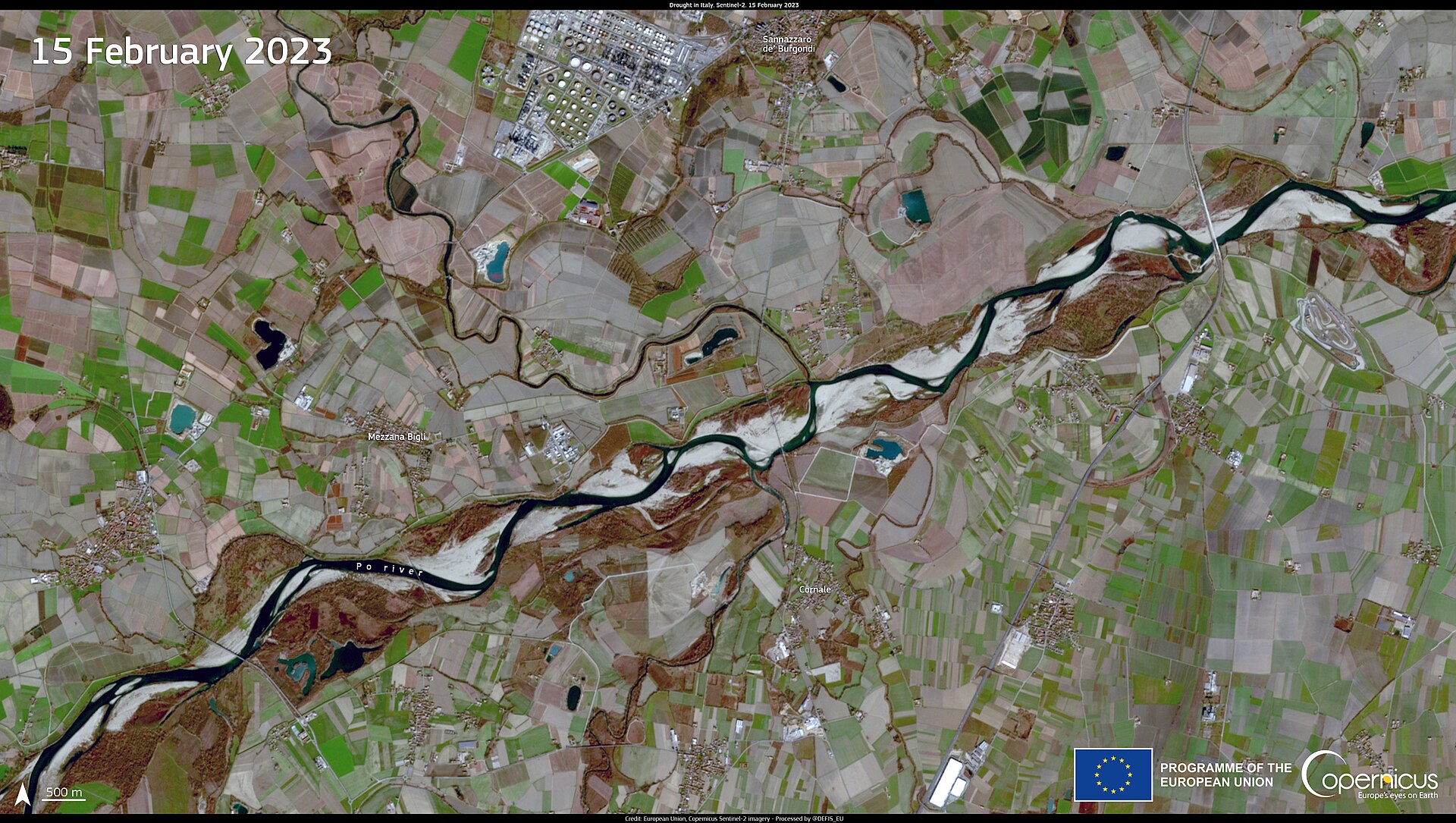
Image: European Union, Sentinel-2 Imagery.