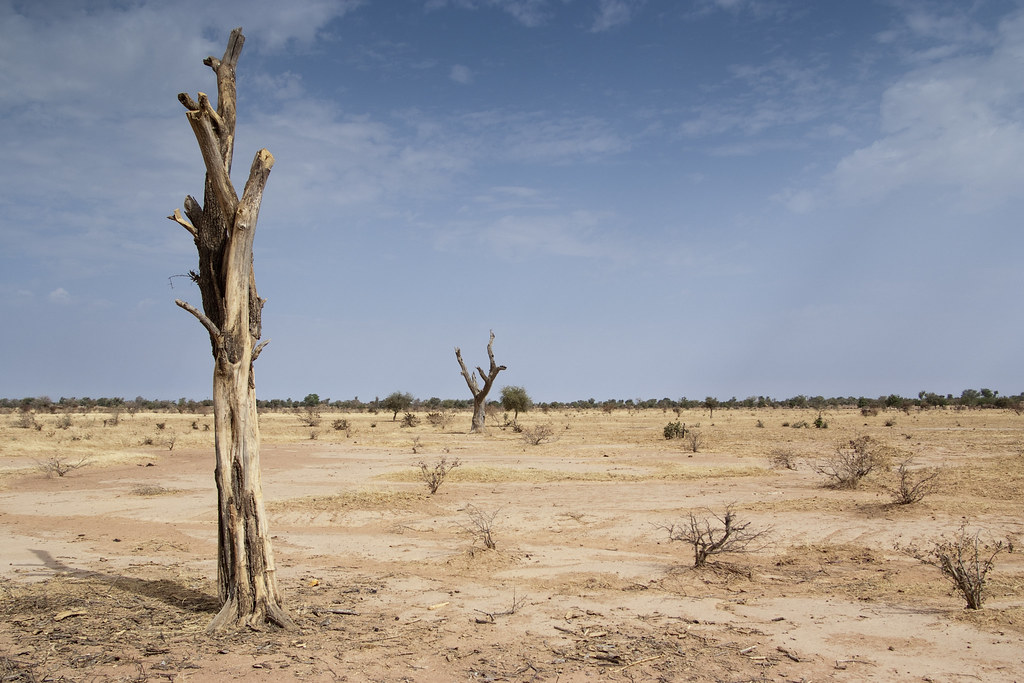
Mexico’s economy is bracing for a hit from the El Niño climate pattern, which is expected to bring water shortages to the country’s agricultural heartlands, according to a report from the Mexican newspaper La Jornada.
El Niño is a recurring climate phenomenon in which warmer-than-usual ocean temperatures in the tropical Pacific disrupt weather patterns around the world. In Mexico, it typically translates into reduced rainfall and drought conditions in farming regions that depend heavily on consistent water supplies for irrigation.
Agriculture remains a significant contributor to Mexico’s gross domestic product (GDP), and a prolonged dry spell could ripple through the broader economy—affecting crop yields, rural employment, and food prices. Farmers in the country’s most water-dependent zones are likely to face the steepest challenges, with knock-on effects for supply chains and export markets.
While the full scope of the economic impact remains to be seen, the report underscores a broader concern shared by policymakers and economists: Mexico’s growing vulnerability to climate variability at a time when water resources are already under strain from population growth and industrial demand.
For the complete details, read the original report at La Jornada.
Image: TREEAID, BY 2.0 (via Openverse).