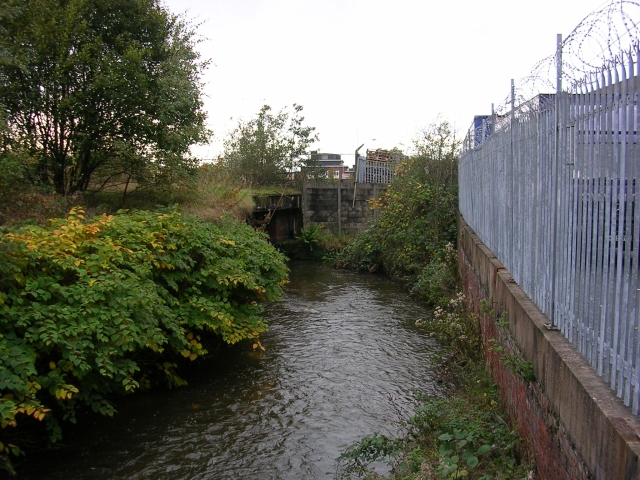
Mexico’s government has highlighted progress in efforts to clean up and restore three of the country’s most contaminated rivers—the Atoyac, the Lerma-Santiago, and the Tula—as part of a broader progress report on national environmental initiatives.
These three river systems have long been flagged by environmental groups and residents as suffering from severe pollution, largely tied to industrial discharge, untreated wastewater, and agricultural runoff. The Atoyac River flows through the central states of Puebla and Tlaxcala, an area with a dense concentration of factories. The Lerma-Santiago basin stretches across several states in central and western Mexico, eventually reaching the Pacific coast, while the Tula River runs through Hidalgo, north of Mexico City, and has historically received large volumes of the capital’s wastewater.
According to the report, cleanup and restoration work on these waterways is moving forward, though the announcement did not detail specific completion timelines, budget figures, or measurable pollution-reduction results. The update comes as part of a periodic accounting of government programs, a practice common in Mexican public administration where officials regularly report on the status of ongoing infrastructure and environmental commitments.
For communities living along these rivers, restoration efforts carry significant weight for public health and water security. To learn more about the specific measures described in the government’s report, read the full article at the source.
Source: Segundo Informe: avanza saneamiento y restauración de ríos Atoyac, Lerma-Santiago y Tula (jornada.com.mx). English version produced with AI assistance.
Image: Keith Williamson.