A significant slice of Mexico’s pre-Hispanic history isn’t in Mexico at all. Codices, ceremonial masks, and other artifacts tied to the Mexica (Aztec) and Maya civilizations have spent centuries far from home, housed in museum and library collections across Europe and the United States.
Some of these objects are world-famous, while others remain known mostly to specialists. Institutions in Austria, the United Kingdom, France, Germany, and the U.S. currently safeguard many of the most significant pieces.
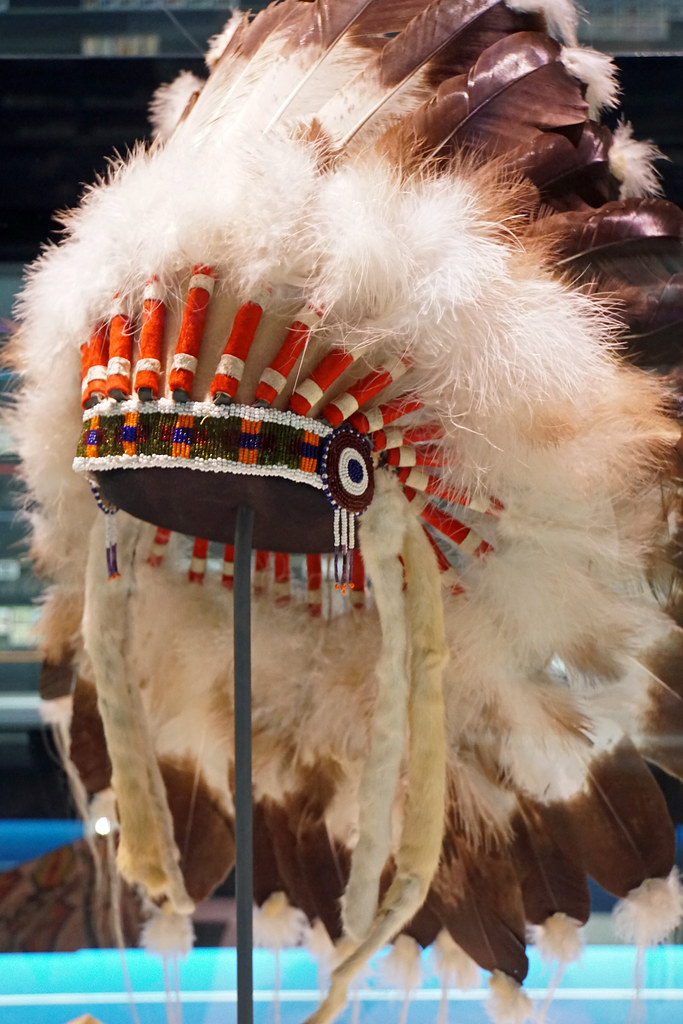
Perhaps the most iconic example is the so-called Penacho de Moctezuma, a spectacular feathered headdress created in the early 1500s. Woven with hundreds of feathers, including the long, brilliant-green plumes of the resplendent quetzal bird—a species sacred to Mesoamerican cultures—the headdress is popularly linked to the Aztec emperor Moctezuma II, though historians debate that direct connection. It has been preserved in Vienna, Austria, for generations, and Mexican officials have periodically raised the question of its possible return.
Alongside the headdress, ancient Maya codices—illustrated manuscripts recording astronomical, ritual, and historical knowledge—also remain abroad, part of the broader story of how colonial-era collecting scattered Mexico’s cultural patrimony worldwide.
For the full rundown of these treasures and their locations, check out the original article on Excélsior.
Source: <![CDATA[Del Penacho de Moctezuma a códices mayas: Los tesoros de México en el extranjero]]> (RSS::excelsior.com.mx – Portada).
Image: archer10 (Dennis), BY-SA 2.0 (via Openverse).