A hundred years ago, Mexico was on the brink of one of the most violent chapters of its post-revolutionary history: the Cristero War, known in Spanish as “la Cristiada.” This armed uprising pitted Catholic peasants and clergy against the secular Mexican state after the government of President Plutarco Elías Calles moved to strictly enforce anti-clerical provisions in the 1917 Constitution, which sharply limited the Church’s role in public life.
The conflict, which raged from 1926 to 1929, left tens of thousands dead and reshaped the uneasy relationship between church and state that still echoes in Mexican politics today. Rebels fighting under the cry “¡Viva Cristo Rey!” (“Long live Christ the King!”) took up arms in rural strongholds, especially in central-western states such as Jalisco and Michoacán, while federal troops responded with harsh repression.
As Mexico approaches the centennial of these events, the opinion piece invites readers to reflect on how this painful history continues to shape debates over religion, secularism, and state power in the country. It’s a reminder that the wounds of the Cristero War, though a century old, remain part of Mexico’s collective memory.
To read the full reflection and its author’s perspective, check out the original article on eluniversal.com.mx.
Source: A cien años de la Cristiada (eluniversal.com.mx). English version produced with AI assistance.
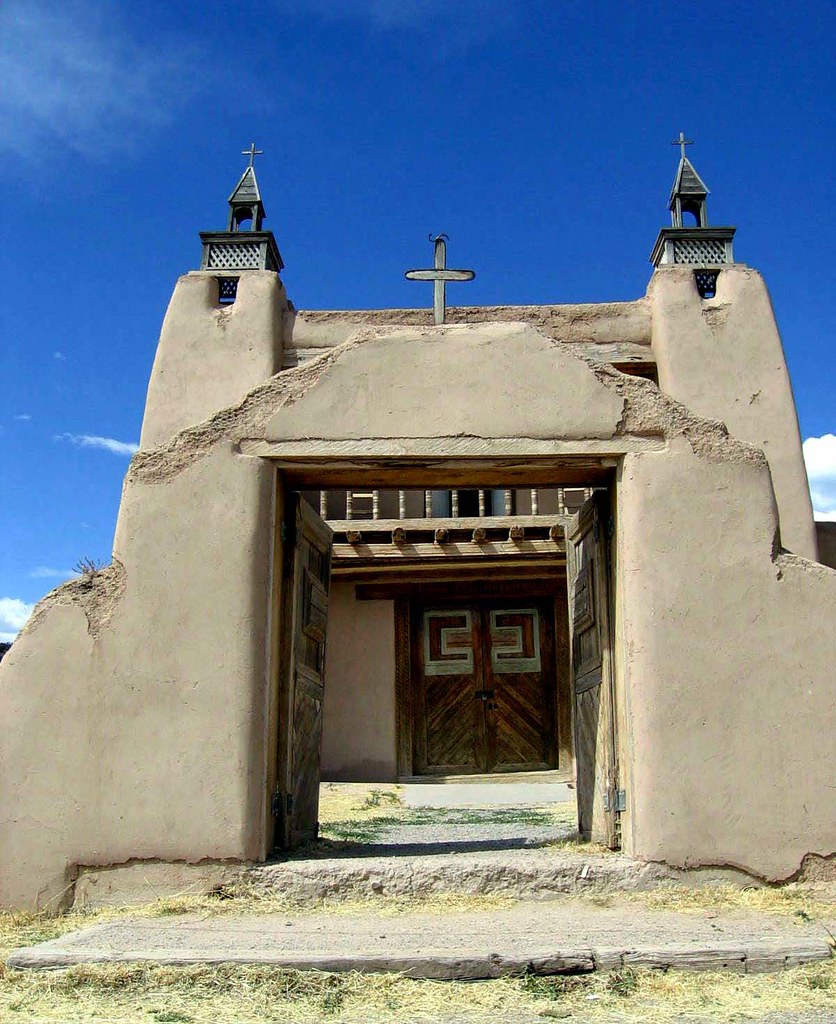
Image: moonjazz, BY-SA 2.0 (via Openverse).