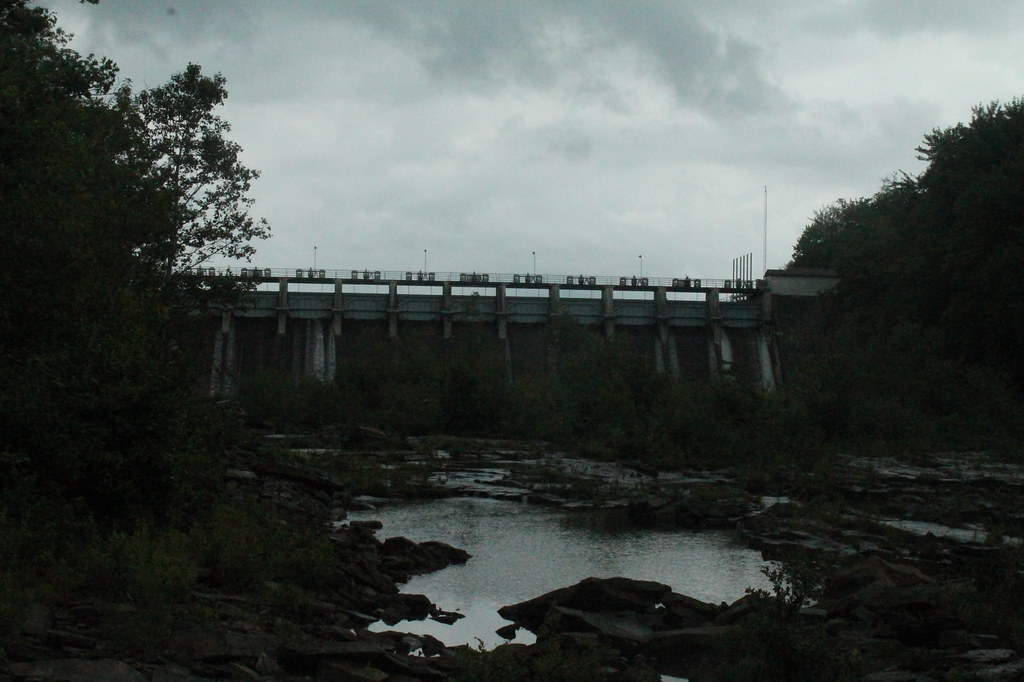
Salmon are making a stronger comeback than expected in the Klamath River following the removal of four hydroelectric dams along the California-Oregon border, according to new research. The teardown, completed in 2024, was the largest dam removal project in US history, reopening hundreds of miles of the river to fish that had been blocked from historic spawning grounds for more than a century.
Researchers tracking the first fall runs of chinook salmon since the dams came down found that the fish are returning in numbers that surpass early projections, a hopeful sign for a species that has struggled for decades in the Pacific Northwest. Chinook salmon, the largest of the Pacific salmon species, depend on free-flowing, cold water to reach upstream gravel beds where they lay their eggs. The dams, some built nearly a century ago for power generation, had long disrupted that migration and degraded water quality downstream.
The Klamath project has been closely watched as a test case for whether large-scale dam removal can genuinely restore fish populations, and the early data suggest the answer may be yes. Indigenous tribes in the region, who fought for years for the dams’ removal and rely on salmon for cultural and subsistence purposes, have hailed the fish’s return as a milestone.
Read the full report at the link below.
Source: Salmon Are Thriving After Klamath Dam Removals, Study Finds (rss.nytimes.com).
Image: andyarthur, BY 2.0 (via Openverse).