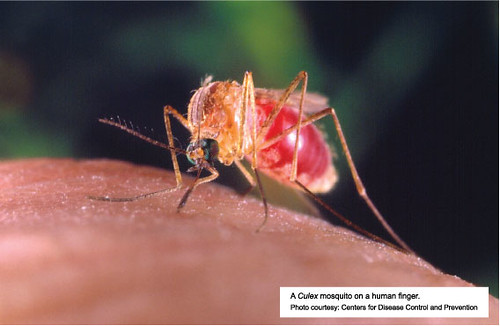
When an outbreak of a dangerous virus dies down, it can look like the threat has passed. But researchers warn that many pathogens don’t actually vanish — they retreat into hidden animal hosts, waiting for the right conditions to jump back into human populations.
This phenomenon has puzzled virologists for years. Diseases like Ebola, Marburg, and various coronaviruses have caused sudden, deadly outbreaks, only to seemingly disappear for months or even years before reappearing without warning. In many cases, scientists still don’t know exactly which species serve as long-term reservoirs for these viruses, making it far harder to predict — or prevent — the next spillover event into humans.
Bats, rodents, and other wild animals are often suspected culprits, since they can carry viruses without showing symptoms themselves. But pinpointing the exact host, and understanding how and when a virus moves from that animal back into people, remains an urgent scientific challenge. Without that knowledge, public health officials are left reacting to outbreaks rather than anticipating them.
Solving this mystery isn’t just an academic exercise. As experts note, identifying these hidden viral reservoirs could be crucial for preventing future pandemics, allowing scientists to monitor at-risk animal populations and intervene before a virus has the chance to spill back over into human communities.
You can read the full original report at the link below.
Source: The Urgent Mystery of Where Viruses Hide (rss.nytimes.com).
Image: fairfaxcounty, BY-ND 2.0 (via Openverse).