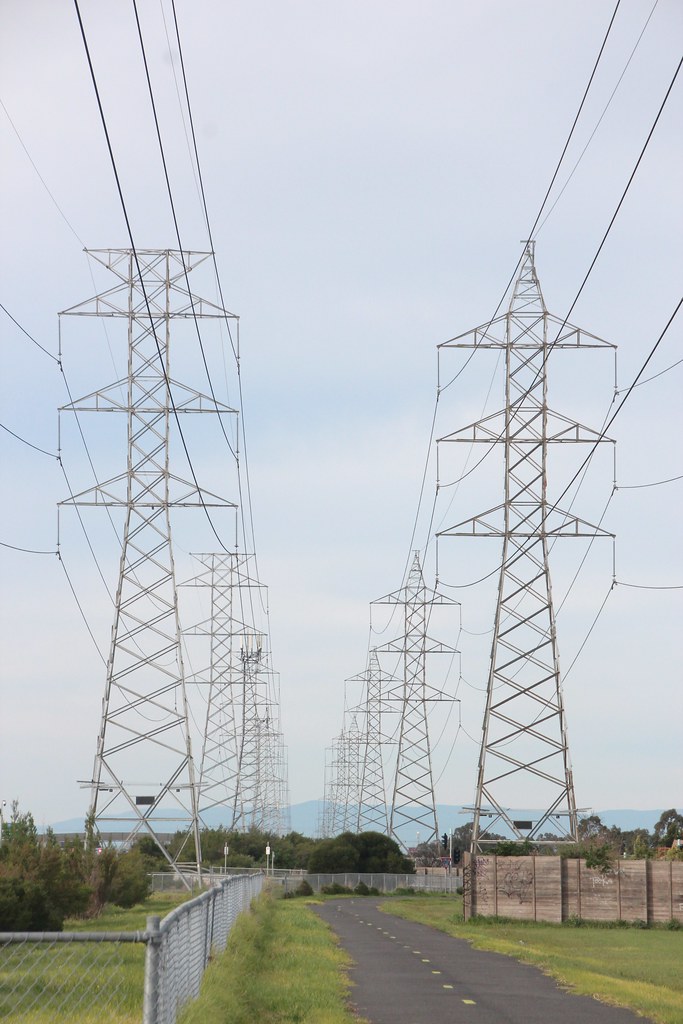
The United States government has declared a national emergency focused on safeguarding its high-voltage electricity transmission network, citing growing concerns about vulnerabilities linked to foreign-made equipment and potential sabotage or espionage.
The move signals heightened alarm in Washington over the origins of components used in critical grid infrastructure, particularly transformers, control systems, and other technology that officials worry could be exploited by hostile foreign actors to disrupt the flow of electricity across the country.
By invoking emergency powers, the administration gains broader authority to restrict the import of certain foreign technology, fast-track domestic manufacturing alternatives, and impose stricter security requirements on utilities and grid operators. The declaration reflects a broader pattern in recent years of US policymakers treating energy infrastructure as a matter of national security, not just economic policy.
Analysts note that the electrical grid has become an increasingly attractive target for cyberattacks and physical sabotage, and that dependence on foreign suppliers—particularly from countries considered strategic rivals—has raised red flags among security officials. The measure could also accelerate investment in US-based manufacturing of grid components, though it may raise costs for utilities in the short term.
For a fuller account of the emergency declaration and its implications, we invite you to read the original report.
Image: John Englart (Takver), BY-SA 2.0 (via Openverse).