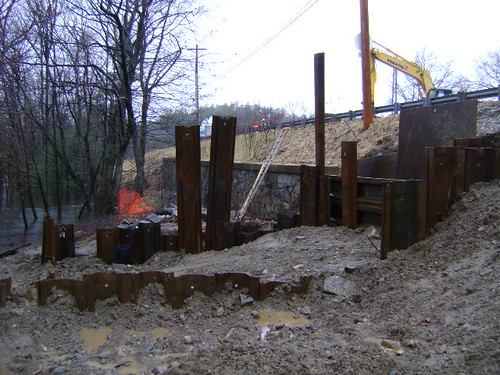
Culverts rarely make headlines, but a new scientific analysis suggests they deserve far more attention. These unassuming pipes and tunnels, tucked beneath roads and highways, exist to channel rainwater safely away from populated areas. When they clog, crumble, or simply can’t handle the volume of a major storm, the consequences ripple outward in ways most people never anticipate.
To understand those consequences, researchers built computer simulations showing what unfolds when culverts break down during flooding. The results were sobering. In one modeled scenario, roughly 30 percent of residents in an affected area could not reach a hospital emergency room because the roads they depended on were washed out or blocked by floodwater that the failed culverts should have redirected.
The findings underscore a broader problem: much of the infrastructure that keeps modern life running is invisible until it stops working. Culverts are cheap to build and easy to overlook, but as storms grow more intense and unpredictable due to climate change, aging or poorly designed drainage systems may not be able to keep pace. The research points to an urgent need for engineers and city planners to reassess how these systems are built and maintained, particularly in flood-prone regions where lives may literally depend on a pipe doing its job.
Curious how scientists modeled these disaster scenarios? Read the full report at The New York Times.
Source: Most People Don’t Think About Culverts. Their Failure Can Be Deadly. (rss.nytimes.com). English version produced with AI assistance.
Image: MassDOT, PDM 1.0 (via Openverse).