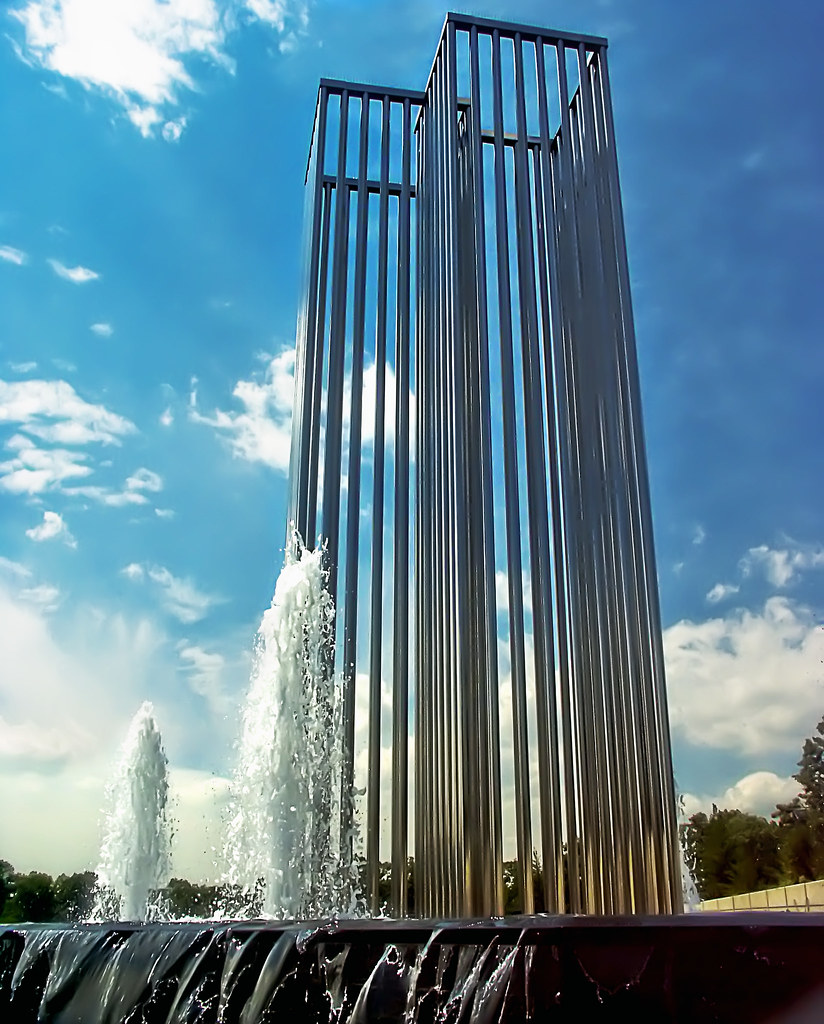
This week marks 25 years since the September 11, 2001 attacks on the United States, a day that changed the course of world history and set off what became known as the “war on terror.” The attacks, which brought down the Twin Towers in New York and struck the Pentagon in Washington, killed thousands of people and pushed the United States into a new era of military intervention abroad and heightened security measures at home.
In the years that followed, Washington led coalitions into conflicts stretching from Central Asia to the Middle East, framing them as necessary responses to the threat of global terrorism. Those campaigns reshaped alliances, borders, and everyday life for millions of people, while also fueling long-running debates over civil liberties, surveillance, and the true costs—human and financial—of fighting an enemy without a single flag or capital.
A quarter century later, the legacy of that day remains deeply contested. For some, the response to 9/11 made the world safer; for others, it opened wounds that have yet to heal, from prolonged wars to lasting mistrust between nations and communities. As anniversaries go, this one invites reflection not just on what was lost that September morning, but on everything that followed in its name.
To explore this reflection in full, we invite you to read the original article.
Source: Ya son 25 años del 11-S y de la guerra antiterrorista (jornada.com.mx). English version produced with AI assistance.
Image: RLJ Photography NYC, BY 2.0 (via Openverse).