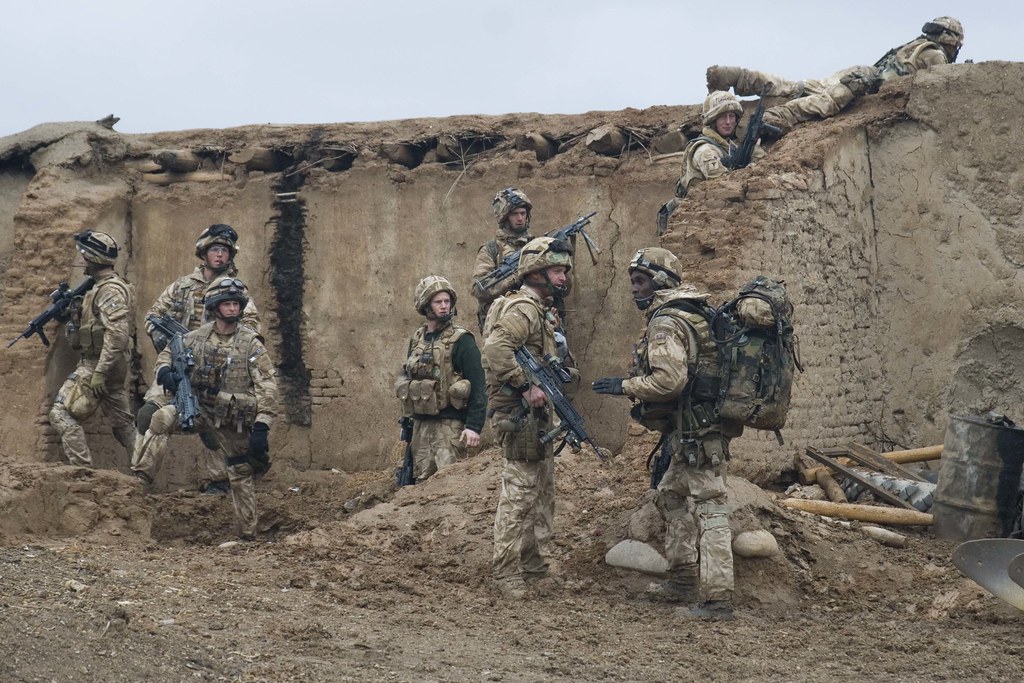
The 25th anniversary of the September 11, 2001 attacks finds the United States once again entangled in a Middle East conflict, raising uncomfortable echoes of the wars that followed that original tragedy. On that day, terrorist attacks against New York City and Washington, D.C. reshaped America’s domestic security policies and its relationship with the rest of the world, launching two decades of military campaigns in Afghanistan and Iraq.
Now, a quarter century later, Washington is engaged in a new Middle Eastern conflict under Donald Trump’s administration—an outcome analysts describe as paradoxical given his history of criticizing so-called ‘endless wars’ and promising to keep the US out of costly foreign entanglements. The anniversary invites renewed scrutiny of the lessons supposedly learned from Afghanistan and Iraq, two wars that cost trillions of dollars and thousands of American lives, yet whose long-term strategic goals remain hotly debated among policymakers and historians alike.
Observers note that this recurring pattern of intervention—regardless of which party or leader occupies the White House—suggests the underlying dynamics driving US involvement in the region persist despite repeated promises of restraint. The commemoration arrives at a moment when American policymakers, and the public, are once again weighing the costs and consequences of military engagement abroad.
To explore the full analysis of Trump’s apparent paradox and the historical lessons drawn from Afghanistan and Iraq, read the original article at El Tiempo.
Source: 25 años después del 11-S, EE. UU. libra otra guerra en Medio Oriente: la paradoja de Donald Trump (eltiempo.com). English version produced with AI assistance.
Image: ResoluteSupportMedia, BY 2.0 (via Openverse).