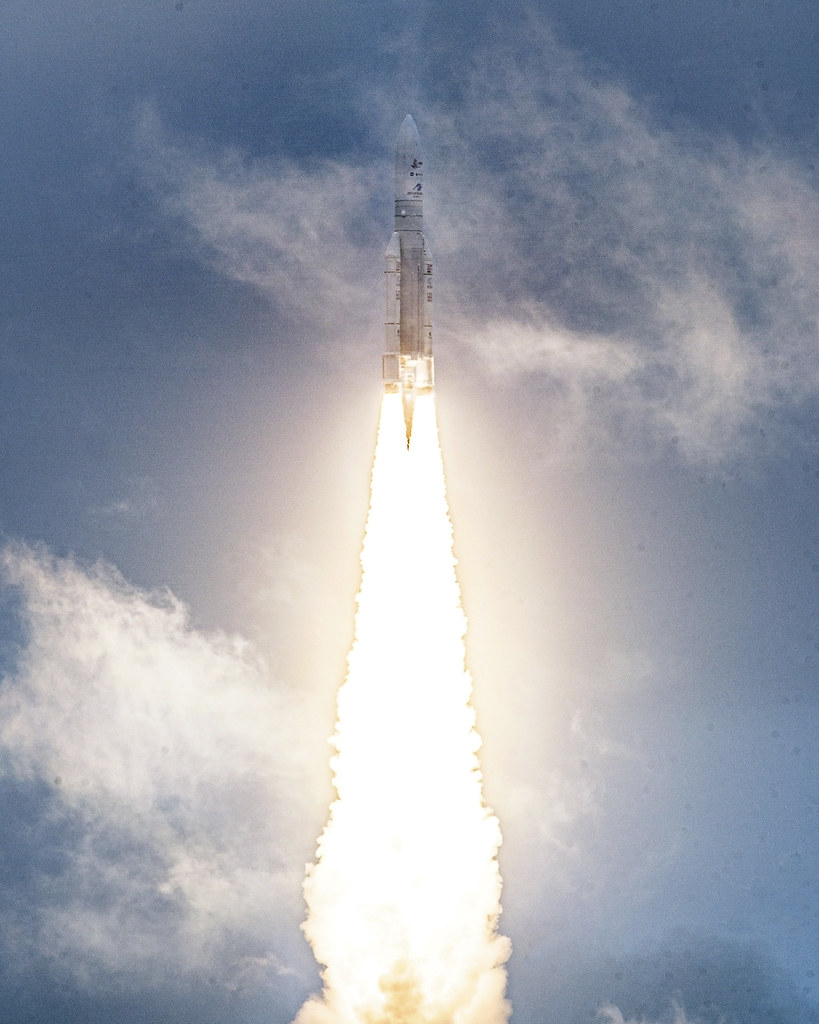
NASA has sent a new space telescope into orbit with an ambitious goal: to produce what scientists are calling a fresh “atlas of the universe.” The observatory, named after Nancy Grace Roman, NASA’s first chief astronomer, is designed to survey enormous swaths of the sky in far greater detail than previous missions.
Unlike telescopes that zoom in on single objects, this instrument is built to capture wide-field images, allowing researchers to study hundreds of millions of galaxies in a single campaign. That breadth is expected to help astronomers tackle some of the biggest open questions in physics, including the nature of dark energy—the mysterious force accelerating the expansion of the universe—and dark matter, the invisible material that makes up most of the cosmos.
Scientists anticipate the telescope will also aid in the search for exoplanets, worlds orbiting distant stars, and provide new insight into how galaxies form and evolve over cosmic time. Because of its wide field of view, the mission is expected to generate an unprecedented volume of data, giving researchers around the world material to analyze for years to come.
The launch marks a major milestone for NASA’s astrophysics program and is being framed as a complement to existing observatories like the Hubble and James Webb space telescopes, rather than a replacement for them.
For the full story, read the original report at jornada.com.mx.
Image: James Webb Space Telescope, BY 2.0 (via Openverse).