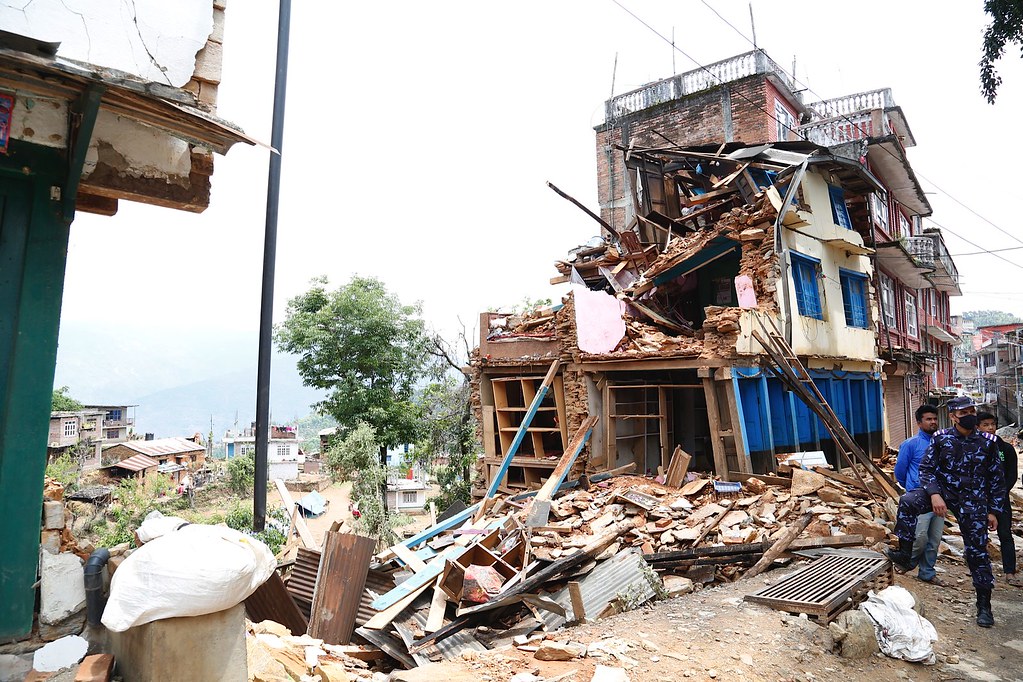
On the morning of August 10, Colombia was shaken by its strongest earthquake of the 21st century so far, according to the Colombian Geological Service. The magnitude 7.4 quake struck near San José del Palmar in the northwestern department of Chocó, at a depth of 103 kilometers (about 64 miles). Because the tremor originated deep within the Nazca plate, which slides beneath the Pacific coast, it was felt across 28 of Colombia’s 32 departments and caused serious damage in five: Chocó, Valle, Caldas, Quindío, and Risaralda.
As of September 15, disaster relief officials reported at least 335 deaths, more than 4,500 injuries, and over 100 people missing. Nearly 487,000 people and 304,000 families across 16 departments and 500 municipalities were affected. The quake destroyed more than 36,000 homes and damaged over 206,000 others.
The disaster has renewed scrutiny of Colombia’s building standards. Even though the country has one of Latin America’s strictest construction codes, experts say a staggering 74.9% of buildings nationwide have no earthquake-resistant design at all. Specialists are now calling for the code to be updated using seismic data gathered over the past 16 years, warning that Chocó remains the country’s most vulnerable region.
Read the full investigation at El Tiempo for more details on Colombia’s construction standards and the earthquake’s aftermath.
Source: En Colombia, el 74,9 % de edificaciones no tendrían ningún grado de diseño sismorresistente (eltiempo.com). English version produced with AI assistance.
Image: DFID – UK Department for International Development, BY 2.0 (via Openverse).