For the first time in more than 600 years, white storks are nesting in the English countryside. Conservationists at the Knepp Estate in West Sussex, a well-known rewilding project south of London, have spent years reintroducing the birds, which vanished from Britain sometime in the Middle Ages, likely due to hunting and the draining of wetlands they depended on.
The storks were bred in captivity and released gradually, with some kept in large enclosures and fed supplementary food before being allowed to fly free. Now several breeding pairs have built nests and hatched chicks on their own, a milestone organizers describe as a historic homecoming for a species long erased from the British landscape.
But the project has also stirred debate among ecologists. Some argue that because the storks needed years of human assistance to establish themselves, and because the modern countryside bears little resemblance to the wetlands storks once knew, the effort amounts less to restoring history than to creating something new: a human-engineered population adapted to a changed landscape. Others counter that all rewilding involves some level of intervention, and that success should be measured by whether the birds can eventually sustain themselves.
The dispute highlights a broader tension in conservation: how to define what is “natural” in a world reshaped by people. To read the full story, visit The New York Times.
Source: Does the Stork’s Return to Britain Restore History or Rewrite It? (rss.nytimes.com). English version produced with AI assistance.
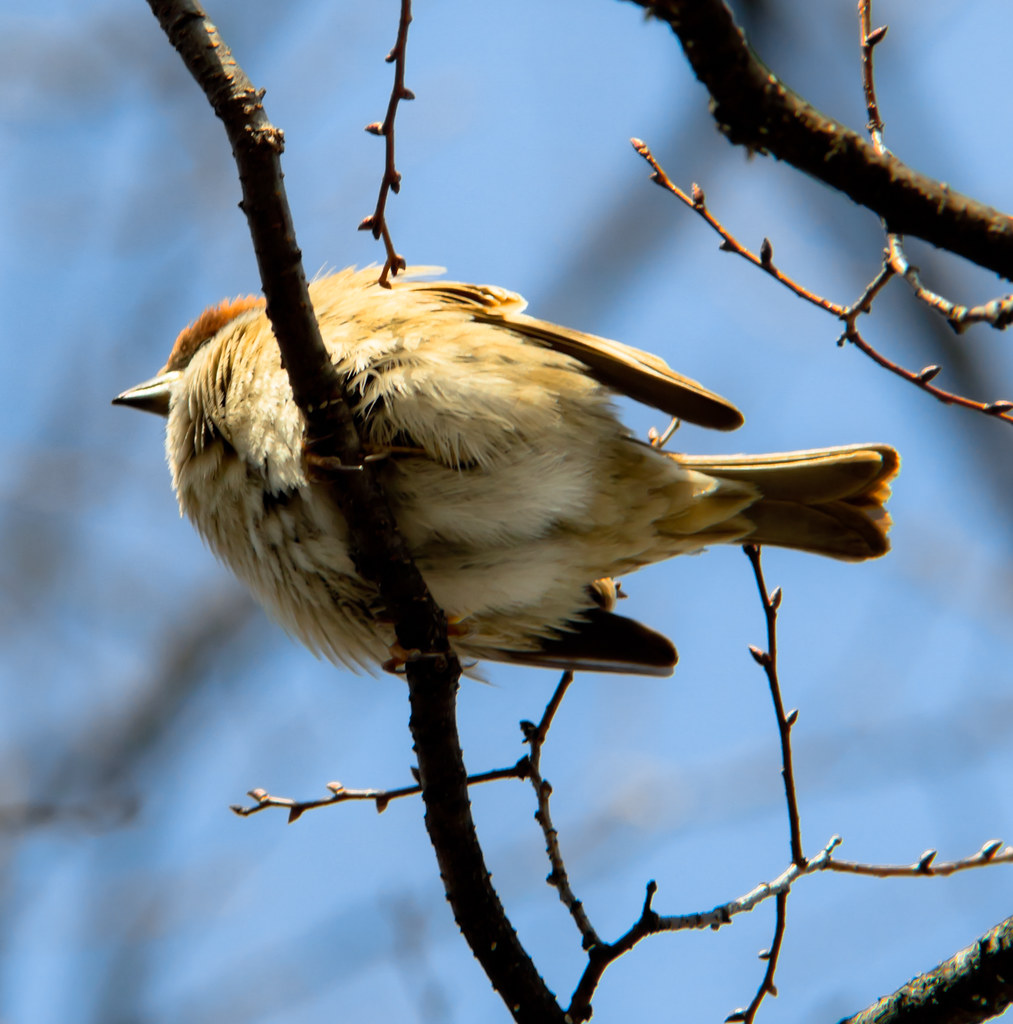
Image: Imahinasyon Photography, BY 2.0 (via Openverse).