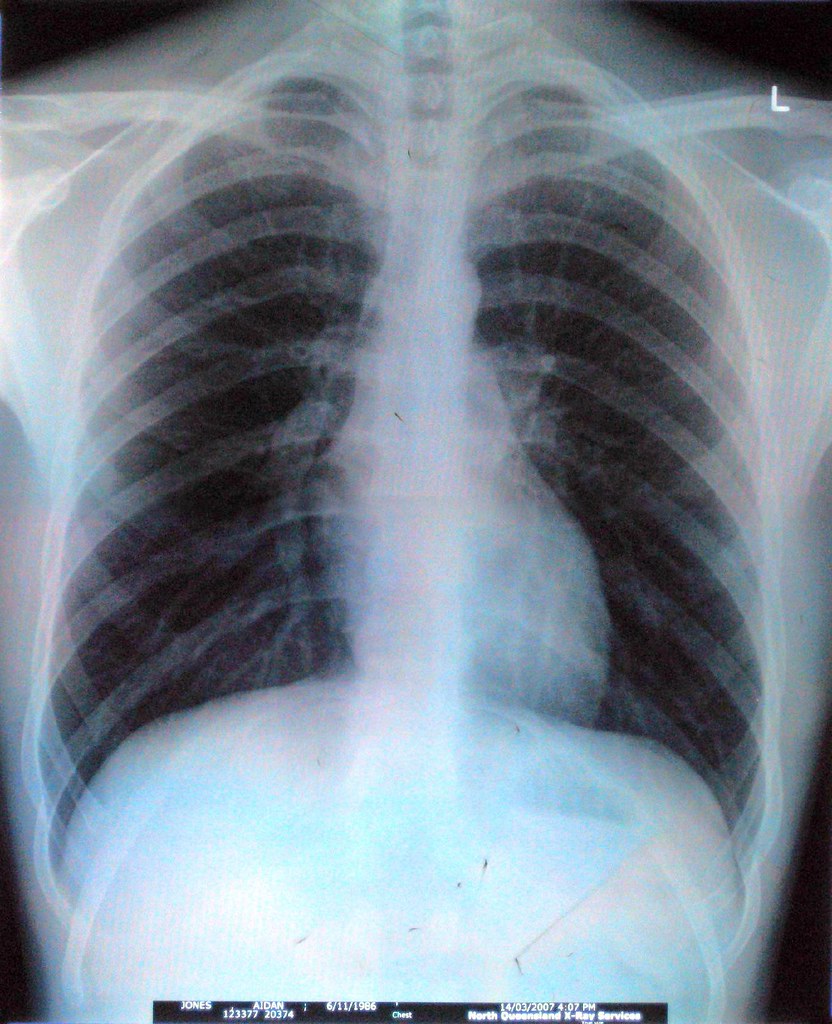
Researchers have identified a rare genetic mutation that may be one of the most powerful cancer-risk variants ever discovered, and it appears concentrated in a specific corner of the United States: Southern Appalachia, the mountainous region stretching through states like Kentucky, Tennessee, West Virginia and North Carolina.
What makes this finding especially striking is that the gene raises the risk of lung cancer even in people who have never smoked, a group that doctors don’t typically associate with the disease. Lung cancer is overwhelmingly linked to tobacco use, so cases in lifelong non-smokers have long puzzled scientists and often get diagnosed later, since patients and doctors alike may not suspect the illness until symptoms are advanced.
By pinpointing a genetic mutation with such an outsized effect on risk, scientists hope to better understand why some people develop lung cancer despite having no history of smoking, secondhand smoke exposure or other typical risk factors like radon or air pollution. Identifying carriers of this rare gene could eventually help doctors flag high-risk individuals for earlier screening, potentially catching tumors before they spread.
The discovery also raises broader questions about how genetics and geography intersect in disease risk, and why certain mutations cluster in specific populations or regions.
To learn more about how researchers uncovered this mutation and what it could mean for future screening efforts, read the full report from The New York Times.
Source: This Rare Gene Drastically Raises Lung Cancer Risk in People Who Never Smoked (rss.nytimes.com).
Image: Aidan Jones, BY-SA 2.0 (via Openverse).