When British statesman George Canning stood before Parliament on December 12, 1826, and declared, “I called the New World into existence to restore the balance of the Old World,” he wasn’t exaggerating for effect. He was summing up decades of quiet British maneuvering behind the independence movements that swept across Spanish America in the early 19th century.
Britain never sent armies to fight alongside figures like Simón Bolívar or José de San Martín, but it didn’t need to. London had far more subtle tools at its disposal: diplomatic pressure, financial backing, and a fleet powerful enough to make its wishes felt across the Atlantic without firing a shot. As Spain’s American empire crumbled, Britain saw an opportunity to reshape the balance of power in Europe by breaking Spain’s colonial monopoly and opening new markets for British trade.
This wasn’t altruism dressed up as diplomacy. It was strategy. A weaker Spain and a fragmented Spanish America served British interests, checking rival powers and expanding Britain’s own commercial reach into a hemisphere previously closed to it.
The full story of how these interests intertwined with the dreams of Latin American independence leaders is more layered than any single quote can capture. For the complete account, read the original article at El Diario de Hoy.
 Source: El alambicado papel de Gran Bretaña en la independencia de Hispanoamérica (El Diario de Hoy).
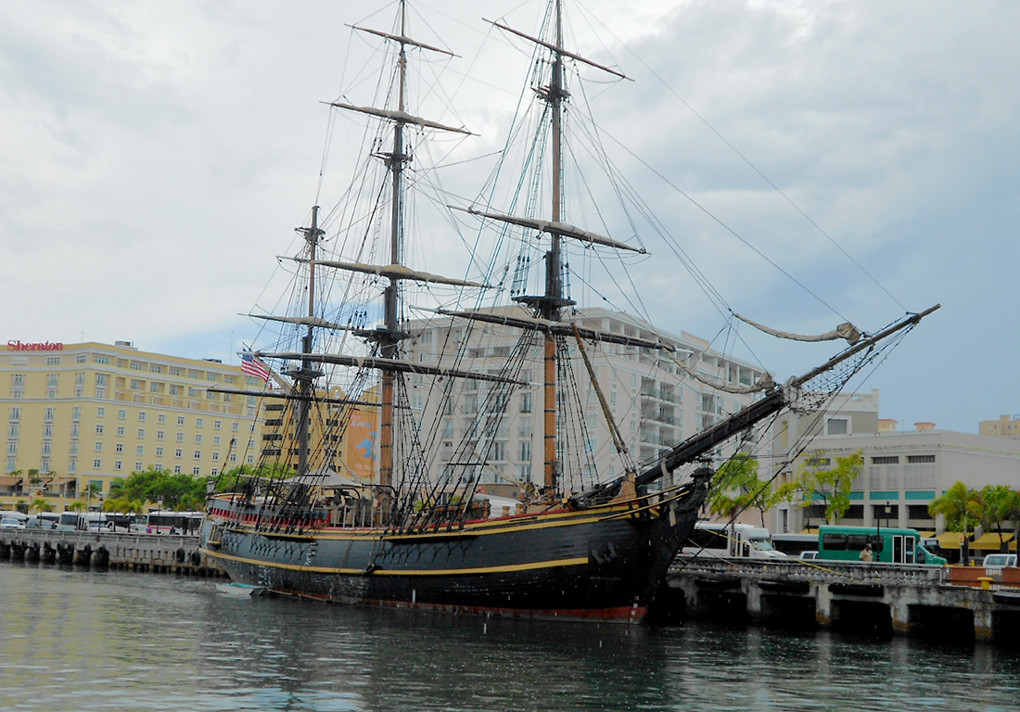
Image: roger4336, BY-SA 2.0 (via Openverse).