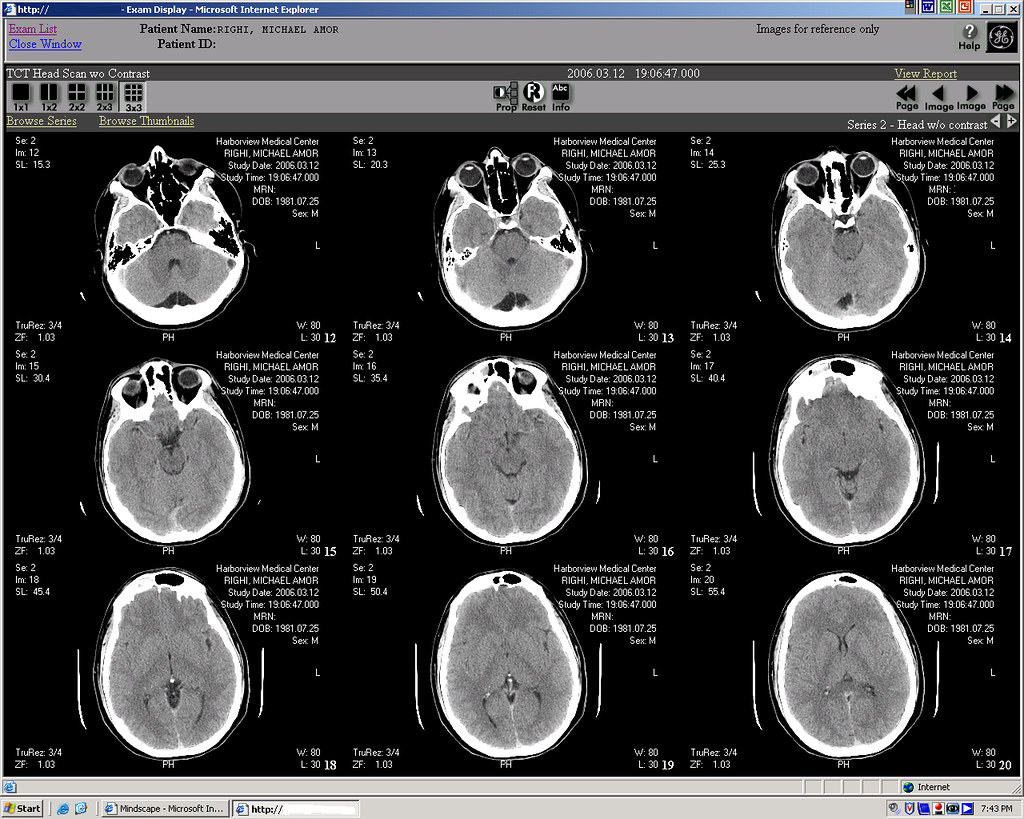
For decades, chronic traumatic encephalopathy, or CTE, has remained a disease that could only be confirmed after death. The condition, linked to repeated blows to the head such as those suffered by football players, boxers and military veterans, causes progressive damage to brain tissue and has been tied to memory loss, mood swings, aggression and dementia-like symptoms. Because the only definitive test has been a post-mortem examination of brain tissue, families and patients have long been left guessing about the cause of troubling behavioral changes during a person’s lifetime.
Now scientists say that may be starting to change. Teams of researchers are working on new imaging technologies, including specialized brain scans, capable of detecting the abnormal proteins associated with CTE in people who are still alive. Alongside these imaging advances, other scientists are developing blood tests designed to pick up biological markers connected to the disease, offering a potentially simpler and less invasive path to diagnosis.
Experts caution that these tools are still in development and have not yet been validated widely enough for routine clinical use. Still, the progress marks a significant shift for a field that has struggled for years to move beyond autopsy-based diagnosis, raising hopes that patients and families could eventually get answers—and possibly treatment—much earlier.
To read the full report, visit the original article at The New York Times.
Source: New Hope for Diagnosing C.T.E. in Brain Injured Patients (rss.nytimes.com).
Image: michaelrighi, BY 2.0 (via Openverse).