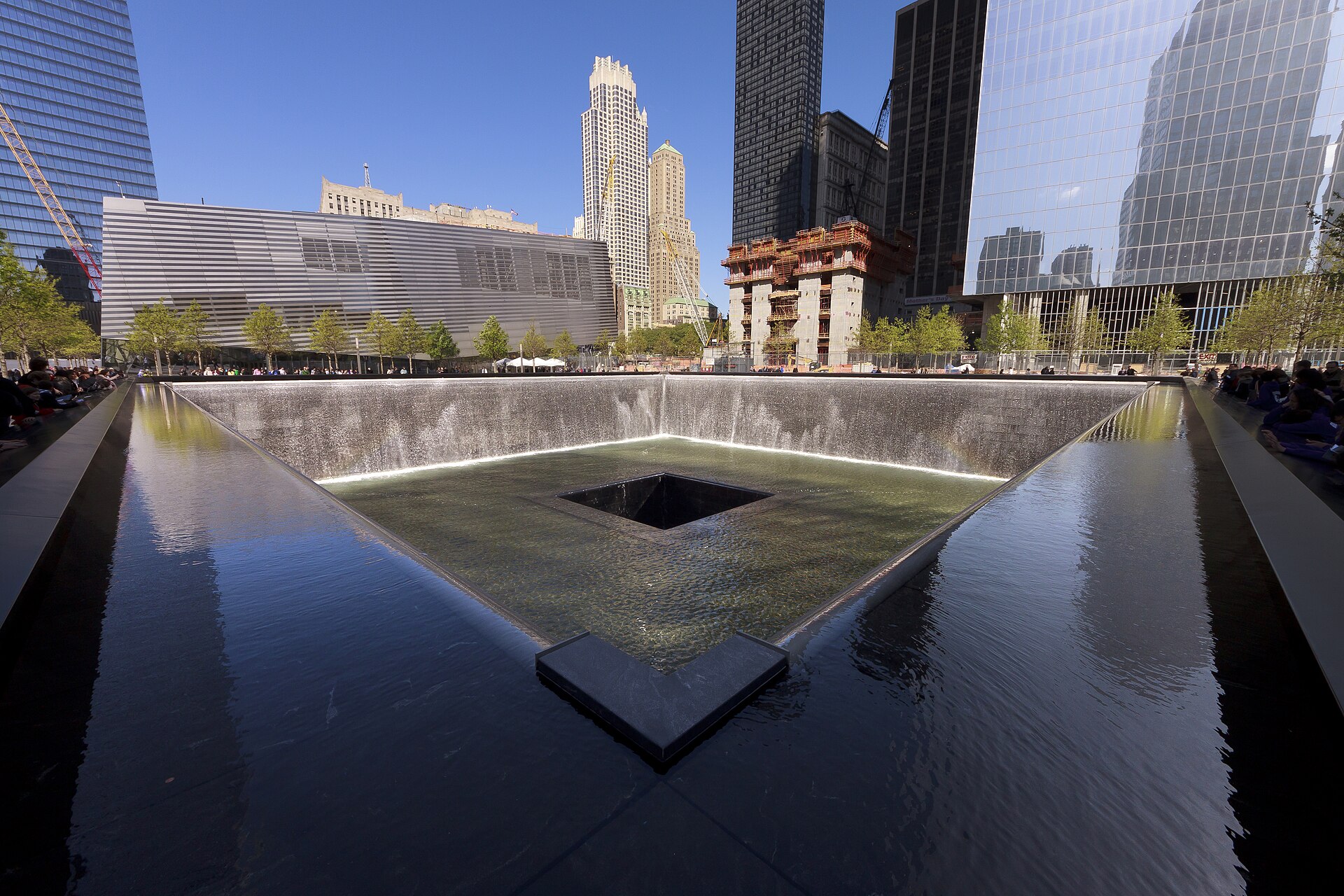
In a new opinion column for the Mexican newspaper El Universal, writer Carlos Seoane revisits one of the most consequential days in recent history: September 11, 2001, when coordinated terrorist attacks struck the United States, killing nearly 3,000 people and reshaping global politics almost overnight.
The piece is framed around a pointed, almost sarcastic question—”What could go wrong?”—a phrase that captures the sense of overconfidence and miscalculation that, in hindsight, often preceded the sweeping decisions made in the attacks’ aftermath. From military interventions abroad to expanded surveillance at home, the post-9/11 era ushered in policies whose consequences are still being debated more than two decades later.
Seoane’s column invites readers to consider how that single morning altered the trajectory of international relations, domestic security, and public trust in institutions across the world—not just in the United States. For US readers, the anniversary serves as a reminder of how a single catastrophic event can ripple outward, influencing everything from airport security lines to foreign policy debates that persist today.
Because the original column is written as a reflective, opinion-driven piece rather than a straight news report, its full nuance is best appreciated in the author’s own words. We invite you to read the original article in Spanish for Seoane’s complete perspective.
Source: El mundo que dejó el 11 de septiembre (eluniversal.com.mx). English version produced with AI assistance.
Image: NormanB.