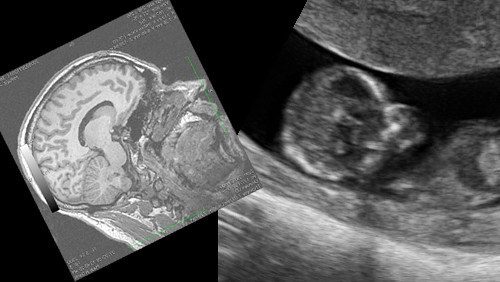
When does a baby first become aware of the world around them? That deceptively simple question is now at the center of a growing scientific effort to understand consciousness itself. Rather than relying on philosophical speculation, researchers are turning to infants as a kind of natural laboratory, since babies’ brains are still developing the structures and connections thought to be necessary for subjective experience.
By tracking brain activity in very young children and comparing it with milestones in behavior and development, scientists hope to pinpoint the moment when a baby shifts from merely reacting to stimuli to actually experiencing them — in other words, when the lights, so to speak, turn on inside the mind.
This isn’t just a question about babies. Scientists see it as a crucial piece of a much larger puzzle: what consciousness actually is, and how it emerges from physical processes in the brain, whether in a human infant, an adult, or even other animals. If researchers can identify the specific neural ingredients that give rise to awareness in a developing brain, it could help settle long-standing debates about the biological basis of consciousness itself.
The implications extend beyond basic science, touching on how we think about fetal development, infant care, and even animal welfare. To learn more about how researchers are approaching this profound question, read the full article in The New York Times.
Source: Are Babies Conscious? (rss.nytimes.com).
Image: mamihod, BY 2.0 (via Openverse).