For decades, one gene has stood out in cancer research as both central and frustratingly out of reach. Found in an estimated 70 percent of cancers, it is often described as a master regulator—a molecular switchboard that normally helps cells detect damage and stop runaway growth. When it malfunctions, that protective role flips, allowing tumors to multiply unchecked.
Despite its outsized importance, pharmaceutical researchers have struggled for years to design drugs that can directly repair or block the gene’s faulty activity. Its structure and the sheer number of ways it can go wrong have earned it a reputation as “undruggable,” a term scientists use for targets that resist conventional chemical strategies.
Now, researchers say they are gaining a clearer picture of how this gene actually operates inside cells, work that could reshape future treatment strategies. By mapping its biological pathways in greater detail, scientists hope to identify indirect ways to neutralize its cancer-driving effects, even if a direct fix remains elusive for now.
The findings mark an incremental but meaningful step in a long-running scientific effort, one that could eventually open the door to therapies for a gene implicated in the vast majority of human cancers—from breast and lung tumors to cancers of the colon and pancreas.
To explore the science behind this breakthrough in more depth, read the full story at the link below.
Source: Scientists Untangle the Biology of an ‘Undruggable’ Cancer Gene (rss.nytimes.com).
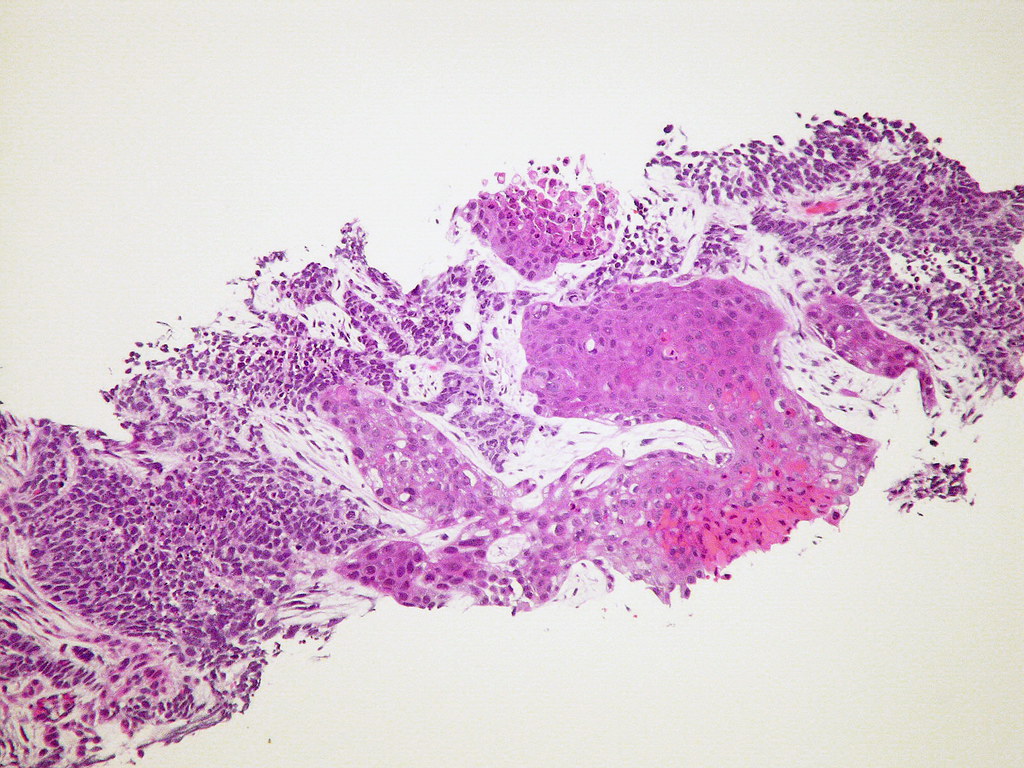
Image: Pulmonary Pathology, BY-SA 2.0 (via Openverse).