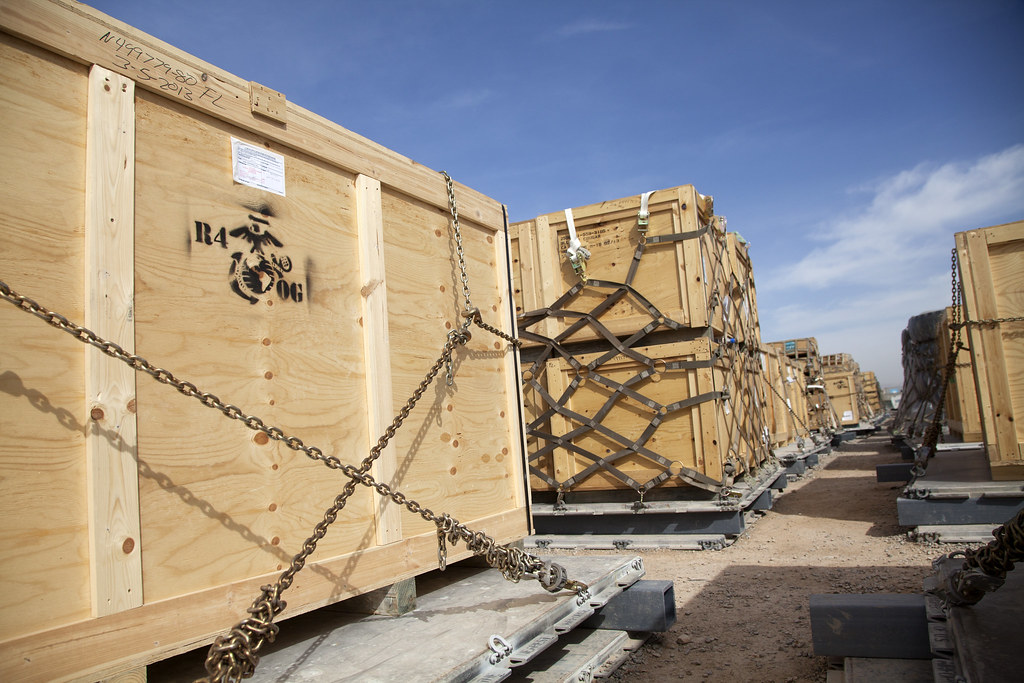
Nicaragua has taken Germany to the International Court of Justice (ICJ) in The Hague, arguing that Berlin’s continued arms sales to Israel during the war in Gaza make it complicit in potential violations of international law, including the 1948 Genocide Convention. The piece explores the case as a test of a broader idea: that providing weapons to a country involved in armed conflict is never a neutral, purely commercial transaction, but a political choice with legal consequences.
The article walks through Germany’s historical role as one of Israel’s key arms suppliers, a relationship rooted in its post-Holocaust foreign policy commitments, and asks whether that history now collides with its obligations under international humanitarian law. It also situates the case within a wider pattern of countries being scrutinized for exporting weapons to conflict zones where civilian casualties and alleged war crimes have been documented.
Beyond the legal technicalities, the author frames the dispute as a moral and political reckoning: governments that sell arms cannot claim to stand outside a conflict once their weapons are used on the battlefield. For US readers, the case echoes ongoing debates in Washington over American military aid and its legal and ethical implications.
To dive deeper into the legal arguments and the stakes for international law, read the full opinion piece at El Universal.
Source: Vender armas también es tomar partido: el caso Nicaragua contra Alemania (eluniversal.com.mx). English version produced with AI assistance.
Image: ResoluteSupportMedia, BY 2.0 (via Openverse).