Long before rodeo became a fixture north of the border, Mexico had already perfected its own equestrian art form: charrería. In a recent opinion column, the author reflects on what makes this centuries-old practice so distinctly Mexican, describing it not merely as a sport but as a cultural inheritance passed down through generations.
Charrería traces its roots to the haciendas of colonial Mexico, where skilled horsemen, or charros, developed techniques for managing cattle and horses that later evolved into a formal set of competitive events known as “suertes.” These range from precision roping to daring maneuvers performed on horseback, each requiring years of training, deep trust between rider and animal, and no small amount of bravery.
The piece emphasizes that charrería is as much about identity as it is about athletic skill. The elaborate outfits, ornate saddles, and ranchera music that typically accompany competitions all serve as visual reminders of a rural past that many Mexicans still hold dear, even as the country has urbanized. Recognized by UNESCO as part of humanity’s Intangible Cultural Heritage, charrería continues to be celebrated in arenas called lienzos charros across Mexico and in Mexican communities abroad.
To explore the author’s full reflection on tradition, artistry, and courage in the charro world, read the original article at El Universal.
Source: La esencia de la charrería mexicana: tradición, arte y valor (eluniversal.com.mx). English version produced with AI assistance.
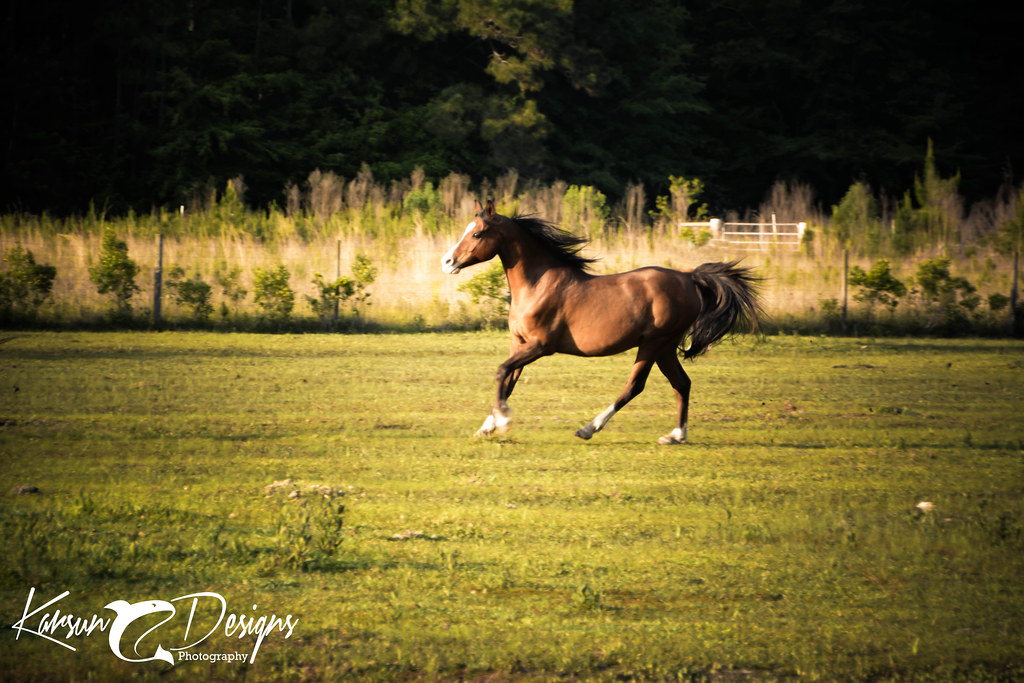
Image: Karsun Designs Photography, BY-ND 2.0 (via Openverse).