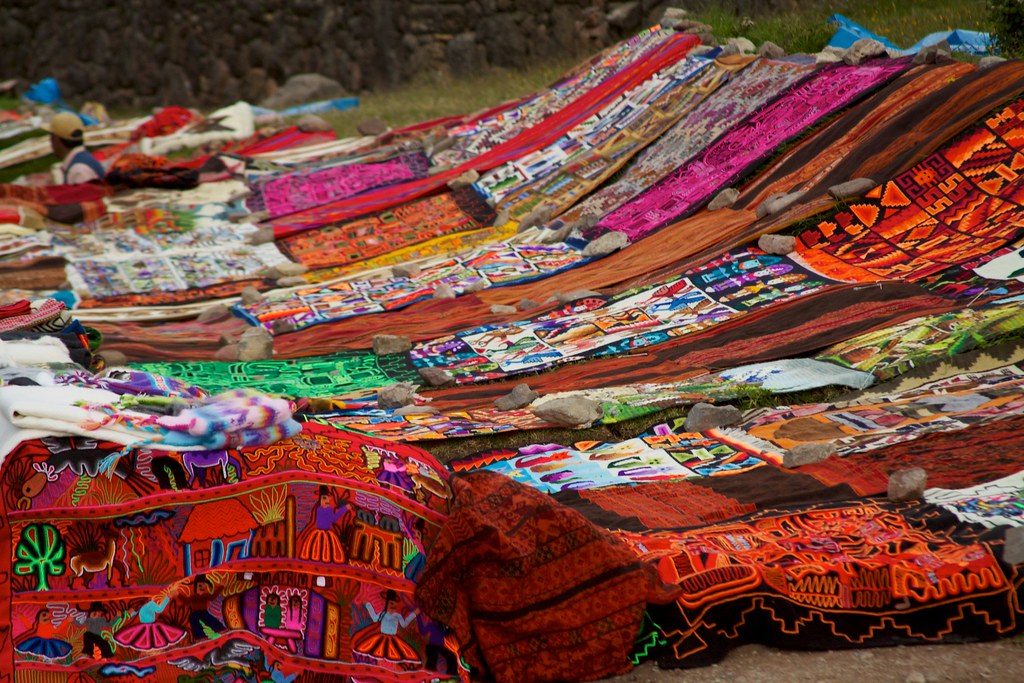
In the highlands of Chiapas, Mexico, Tzotzil women are taking a stand to protect a tradition passed down for generations. These Indigenous artisans have formally registered more than 200 symbols used in their handwoven textiles, seeking legal protection for patterns that have long defined their communities’ identity.
The intricate designs aren’t just decorative. Each symbol carries meaning tied to the Tzotzil worldview, reflecting beliefs about nature, spirituality, and daily life that have been woven into fabric for centuries. By registering these patterns, the women hope to safeguard both their cultural heritage and their livelihoods.
Their effort responds to a recurring problem in the fashion industry: large clothing companies copying Indigenous designs without permission, credit, or compensation. Cases like this have sparked criticism in Mexico before, with activists and officials accusing international brands of profiting from Indigenous artistry while the original creators see little to no benefit.
For the Tzotzil women behind this initiative, registering their symbols is a way to reclaim ownership over designs that belong to their communities, ensuring that outside companies can no longer use them freely. It’s also a step toward preserving traditions that risk fading if they aren’t formally recognized and protected.
Want to see the artisans and their work firsthand? Check out the original video report to learn more.
 Source: Mujeres tzotziles registran más de 200 símbolos tejidos en Chiapas para evitar plagio de marcas (telemundo.com).
Image: mckaysavage, BY 2.0 (via Openverse).