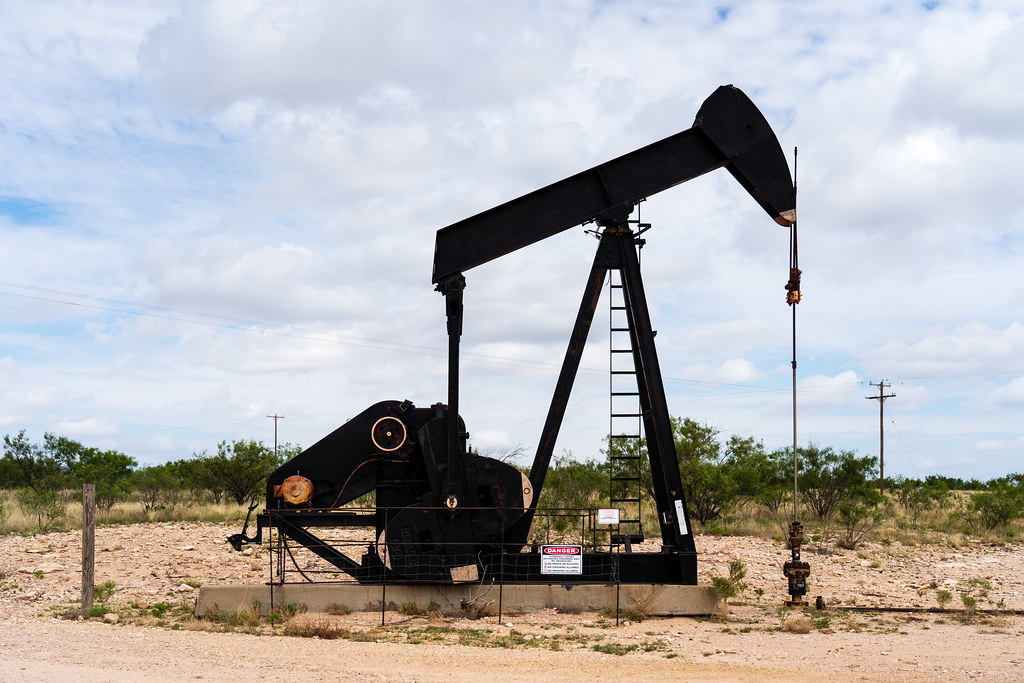
A sweeping oil agreement between the United States and Venezuela, unveiled Friday by the administrations of Donald Trump and Venezuelan Vice President Delcy Rodríguez, is facing mounting skepticism just days after it was hailed as a historic win for both countries.
Under the deal, the US would gain preferential access to 17 oil fields holding an estimated 65 billion barrels of crude reserves. While officials on both sides framed the pact as mutually beneficial, opposition figures in Venezuela, along with independent economists and oil industry experts, are raising red flags. Their concerns center on a lack of transparency around how the negotiations unfolded, uncertainty over who exactly would operate or invest in the fields, and doubts about the accuracy of figures presented by the Venezuelan government.
Perhaps most striking is the warning from several analysts that the arrangement could end up strengthening Rodríguez’s government politically, even as it opens Venezuela’s vast oil wealth to American interests. Given the country’s history of strained relations with Washington and years of US sanctions on its state oil company, any deal of this scale is bound to carry political weight far beyond the energy sector.
As more details emerge about who negotiated the terms and how payments per barrel would work, the debate over who truly benefits is only intensifying. For the full breakdown of the numbers and unanswered questions, read the original report at eltiempo.com.
Image: joncutrer, BY 2.0 (via Openverse).