A recent opinion column from the Mexican newspaper El Universal turns its attention to a troubling case: the deaths of two young girls at the hands of Mexican army personnel. Rather than focusing on the specifics of the incident itself, the piece uses the tragedy as a starting point to examine a broader and more systemic issue—the existence of what the author calls a “parallel justice” system in Mexico, one that applies to members of the armed forces.
In Mexico, as in many countries, military personnel accused of wrongdoing can sometimes be tried within a separate military justice system rather than facing the same civilian courts that handle cases involving ordinary citizens. Critics argue this dual-track approach can shield soldiers from full accountability, especially in cases involving civilian deaths, and can leave grieving families with limited access to transparent legal proceedings.
The column raises pointed questions about whether this structure serves justice or simply protects institutional interests, especially when the victims are children and the alleged perpetrators wear a uniform. It’s part of an ongoing national conversation in Mexico about military transparency, the militarization of public security tasks in recent years, and whether current legal frameworks adequately protect civilians from state violence.
To read the full opinion piece and its detailed arguments, check out the original article on El Universal’s website.
 Source: Justicia paralela, tras asesinato de dos niñas en manos del ejército (eluniversal.com.mx).
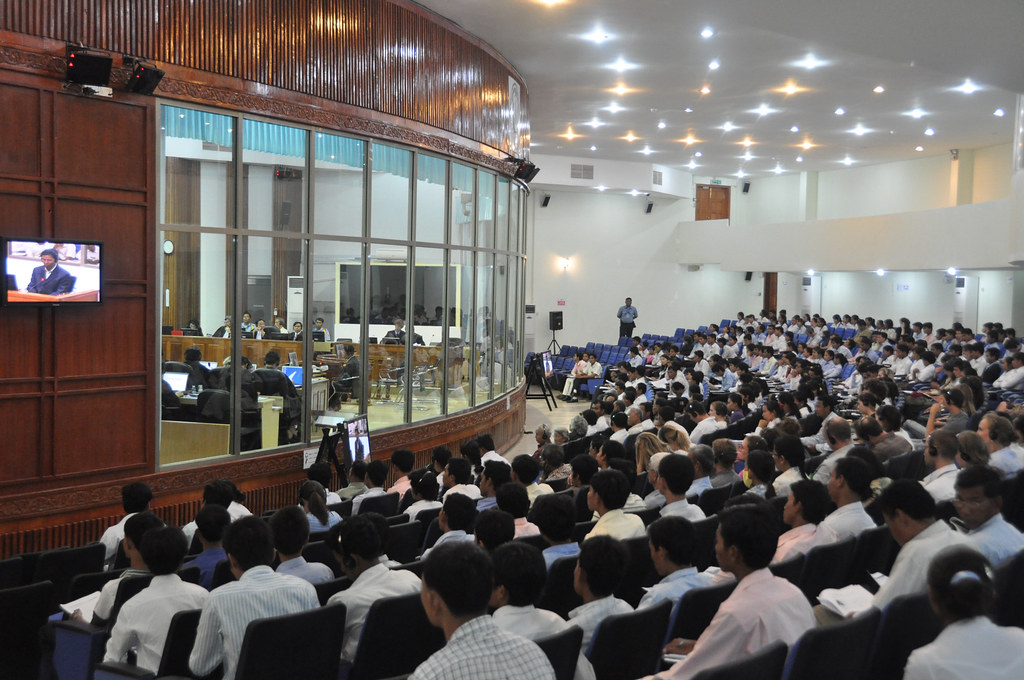
Image: Khmer Rouge Tribunal (ECCC), BY 2.0 (via Openverse).