A recent opinion column draws an unexpected line between Angela Davis, the American activist and scholar long associated with the Black Power and prison abolition movements, and BTS, the South Korean pop sensation with a massive global fan base. The piece argues that both figures, despite their very different origins, share a common fate: their images and messages have been absorbed by the market and repackaged as products.
Davis became a symbol of radical politics in the 1960s and 70s, her image—especially her afro hairstyle—turned into an aesthetic shorthand for rebellion that later appeared on T-shirts and posters, often stripped of its original political weight. BTS, meanwhile, built its brand partly on messages of self-acceptance and youth empowerment, yet the band’s popularity has also fueled an enormous industry of merchandise, from clothing lines to collectibles, that some critics say dilutes any deeper social critique into pure commerce.
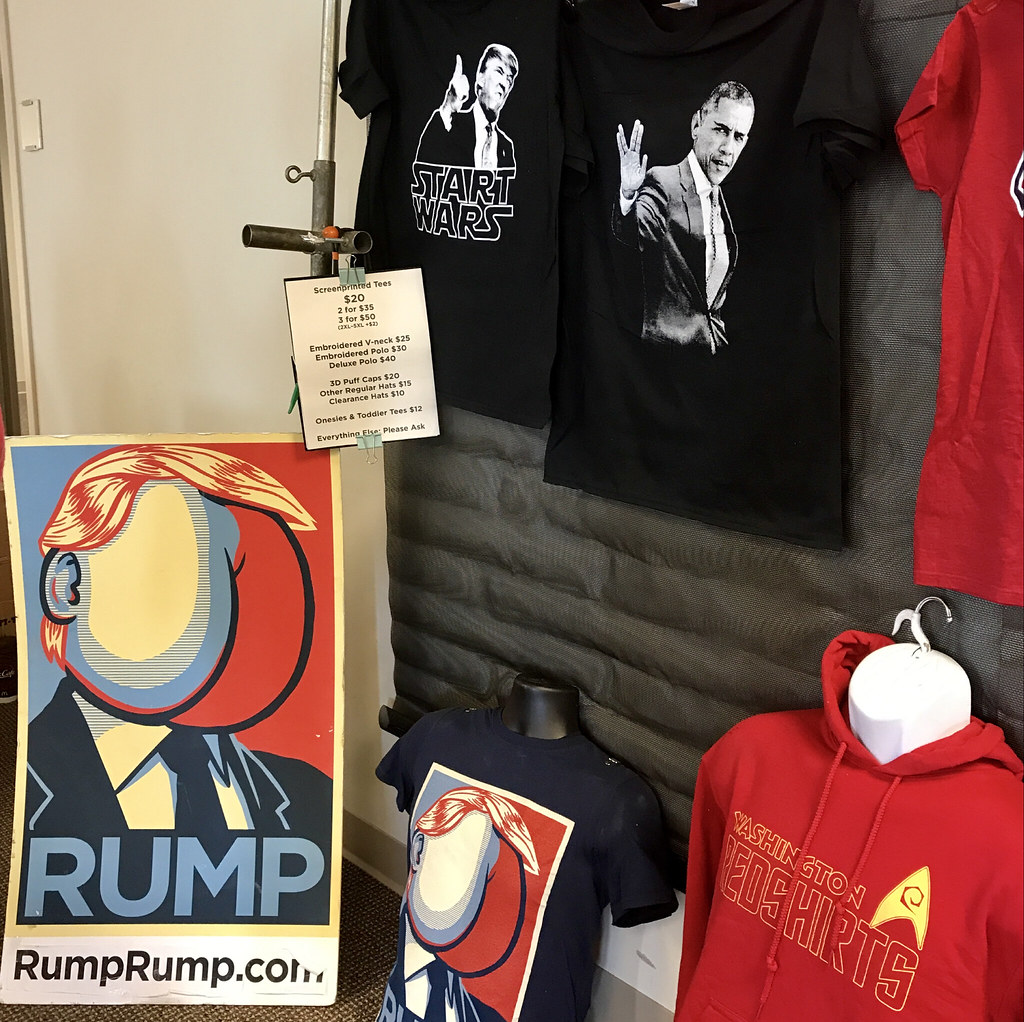
The column reflects on a broader tension in contemporary culture: how movements and figures once associated with dissent or authentic self-expression can be commodified once they reach mainstream popularity, raising questions about what gets lost when resistance becomes a marketable brand.
To explore this comparison in full, read the original article.
Image: anokarina, BY-SA 2.0 (via Openverse).